Youth as protagonists of social change
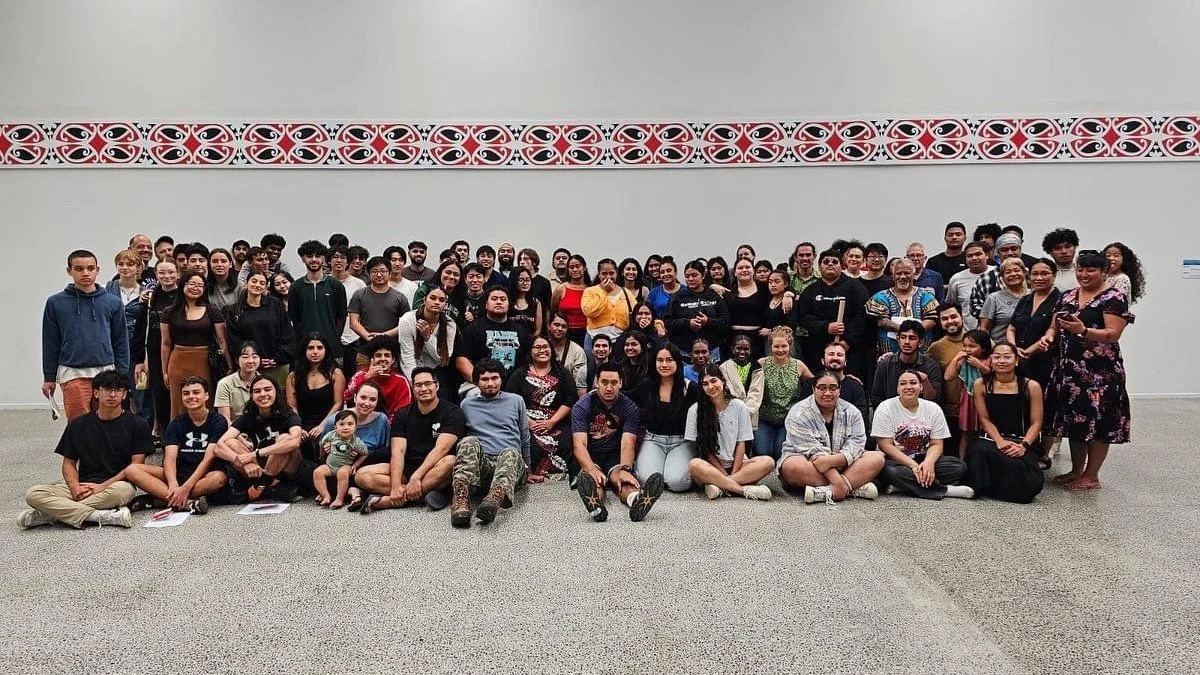
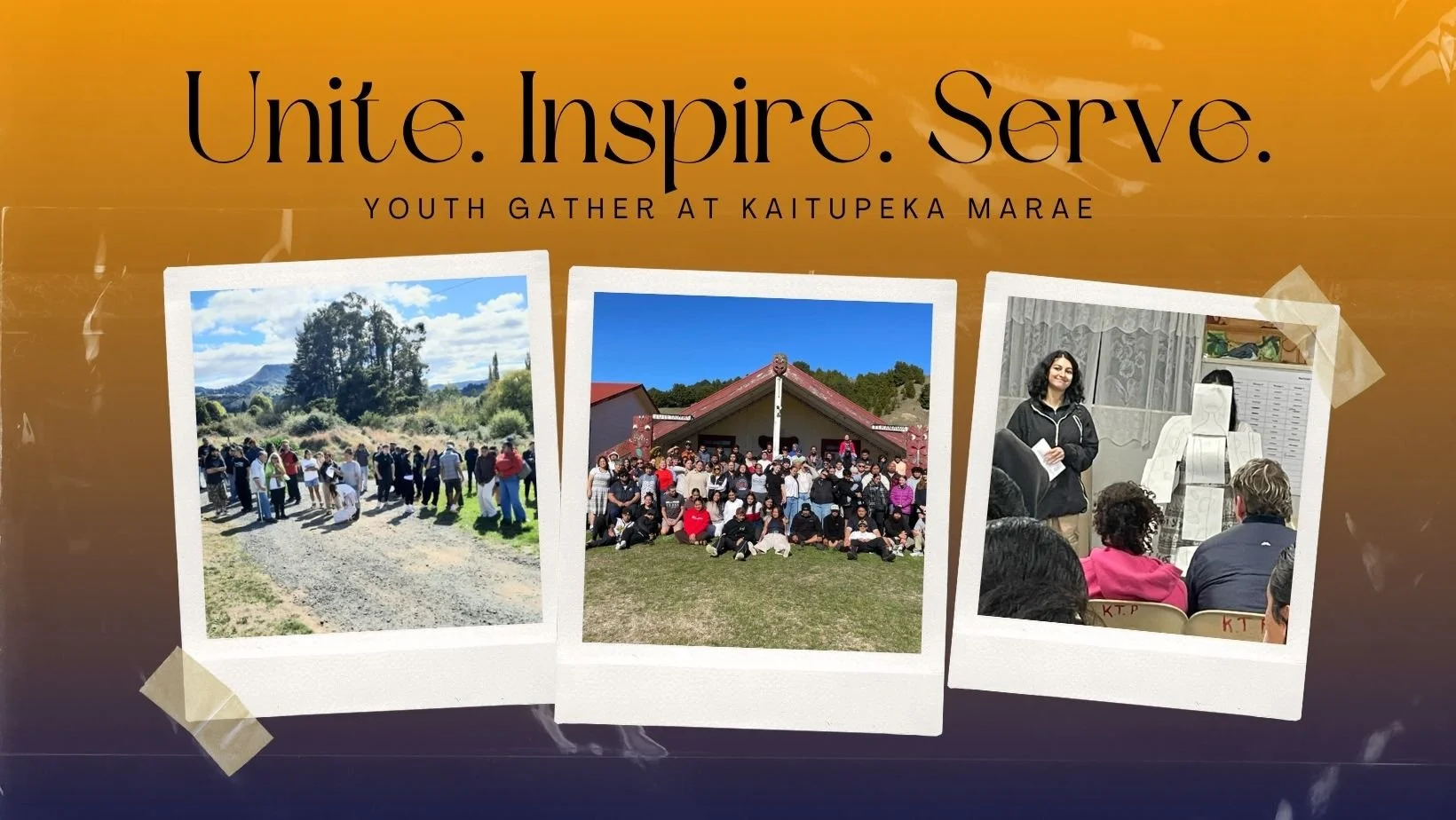
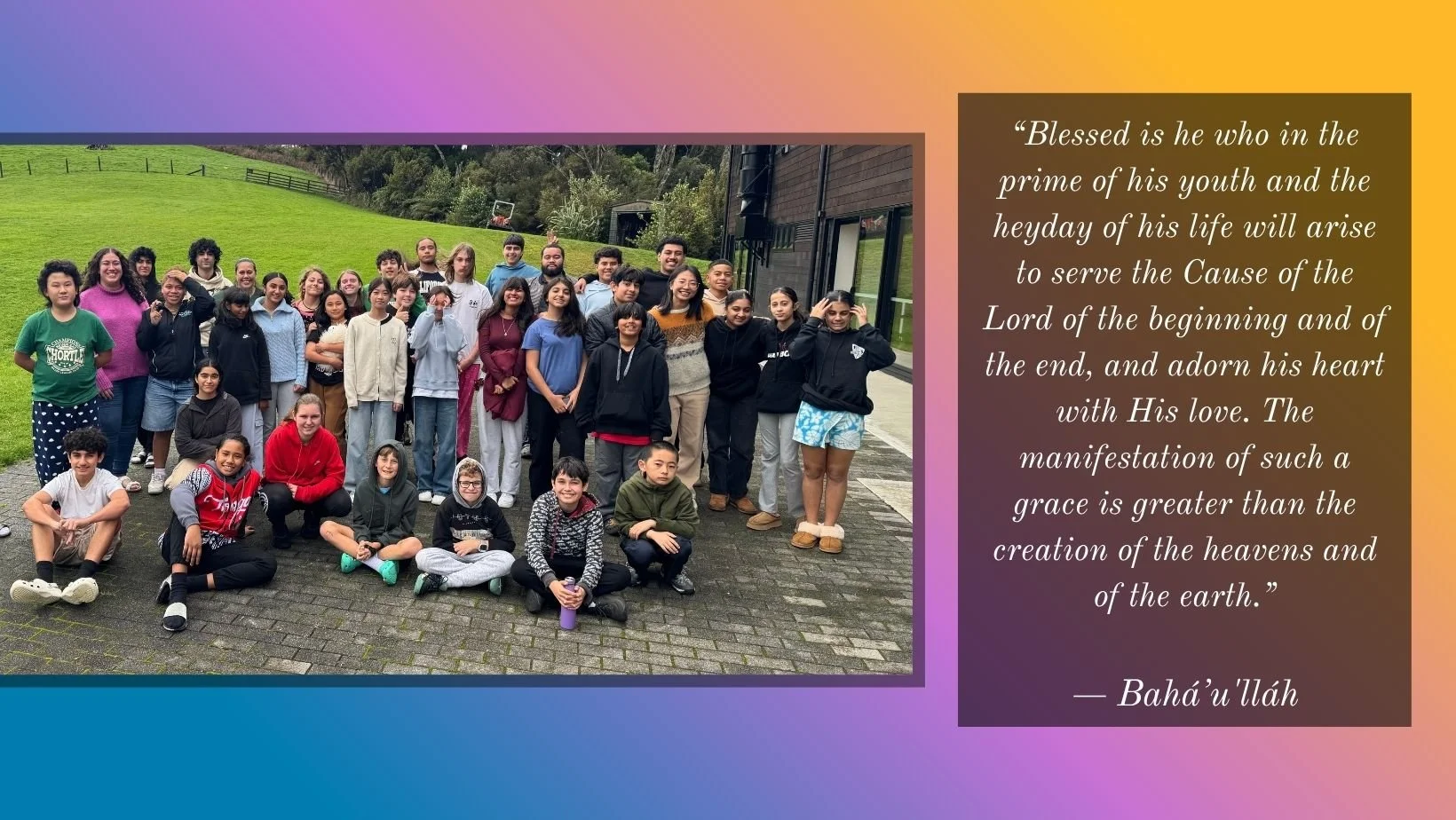
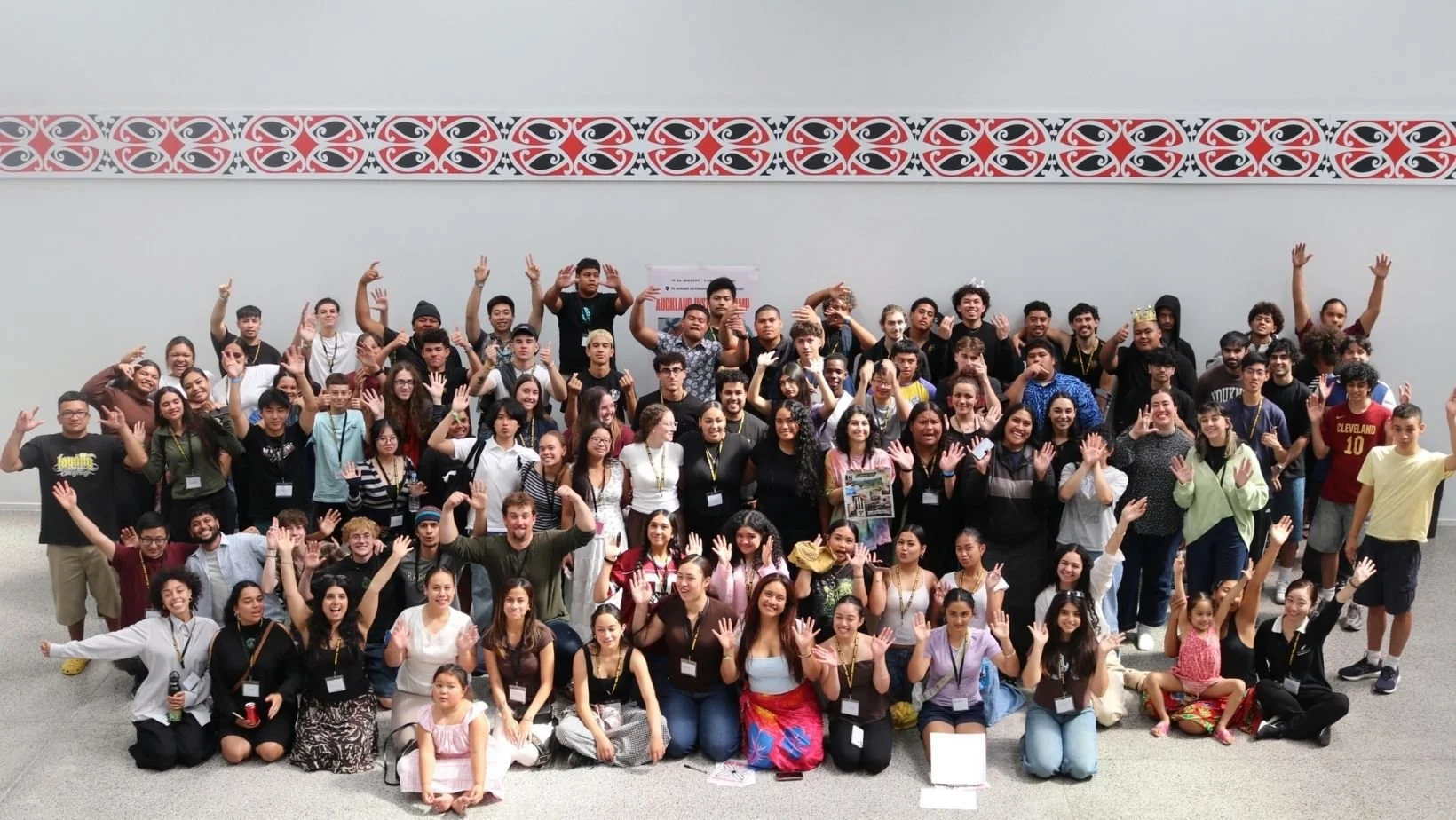
Shared below is a reflection offered by one of the organisers of the recently held Auckland Youth Conference 2026, which involved 100-150 youth in a joyful and vibrant space of consultation, learning, and creativity. This account shares the spirit of the conference and offers a glimpse into the kinds of questions, commitments, and aspirations occupying the minds of youth today, and how young people are engaging thoughtfully with the processes of the Plan, while exploring their role in contributing to social transformation, and inviting others to walk alongside them in a shared path of service.
Auckland Youth Conference 2026
Over the weekend of January 10–11, Auckland became a vibrant hub of consultation and inspiration as over 150 youth gathered for the Auckland Youth Conference 2026. The event, themed around the role of youth as protagonists of social change, invited participants to explore how their unique capacities can be channelled toward the transformation of society.
The conference was structured around five core sessions that challenged participants to think deeply about their lives and the world around them:
The Period of Youth & Nobility: Youth reflected on their inherent nobility and the "wonderful powers" they possess to contribute to the common good.
State of the World: Participants analysed the simultaneous processes of integration (unity and progress) and disintegration (social fragmentation and prejudice).
Twofold Moral Purpose: The consultation focused on the reciprocal relationship between personal growth and contributing to social transformation.
Coherence: Attendees explored how to avoid a "fragmented" life, learning to see service as a central principle that brings harmony to their studies, work, and family life.
The Training Institute: The final session highlighted the institute process as a practical means to develop the skills needed to mentor younger generations and build vibrant communities.
Complementing the study sessions, the atmosphere was charged with creativity as youth used arts, drama, song, and dance to give expression to the concepts they were exploring. Specialised workshops provided a space to apply spiritual principles to the complexities of modern life. Participants consulted on topics such as the sacred institution of marriage, maintaining a coherent concept of wealth in a materialistic world, and navigating the challenges of modern misinformation.
The weekend’s energy was channelled into concrete plans of action. Youth from various Auckland localities and clusters beyond Auckland consulted on how to strengthen the institute process in their neighbourhoods, committing to services such as hosting youth nights, and serving as animators and teachers for generations younger than themselves. For many of them, their next step is attending the upcoming Auckland Institute Camp. We look ahead with great excitement as these youth arise to walk a path of service alongside their peers.
A reflection from a youth in a similar reality
The following reflection, shared by a youth in Sydney, offers a glimpse into the kinds of learning, transformation, and commitment that are also taking shape among youth in settings similar to our own reality here in Aotearoa, and illustrates the nature of the processes underway here and beyond.
“Another participant, who is working and seeking to access higher education while maintaining a pattern of life centred on service, shared the following: During my first camp I had a lot of assumptions on what it would be like. I knew there were going to be a lot of people younger than me who might be annoying, and a lot of unfamiliar things. I was shy and closed off, but gradually I got to know the people around me. I’d never thought I’d see myself being friends with these kids and how much of a blessing they came to be. During my first ever camp we learned in Book 1 about life and death. The very concept of what happens after we are gone, and how the soul progresses on, caught my attention. I had a very different understanding of life and death. As the camp went on I began to open up, and slowly but surely, I became great friends with my group, who I still see today. Looking back to where I was before coming to camp, it’s transformed my life in a way I never thought. I’ve grown very close with my family. Since learning about God’s spiritual attributes, I began trying to instil those qualities within myself and express them outwardly towards my family—such as patience, love, and kindness. All these attributes have helped heal me and my relationship with my family, and I thank my tutors and the institutions for it. I hadn’t realized how much it had affected me positively and also made me want to help assist the younger youth to grow into the new spearheads of our generation. I wish to help teach and guide the younger youth to be the best versions of themselves, so I am currently learning how to run a children’s class and a junior youth group. It has given me hope for the future.”