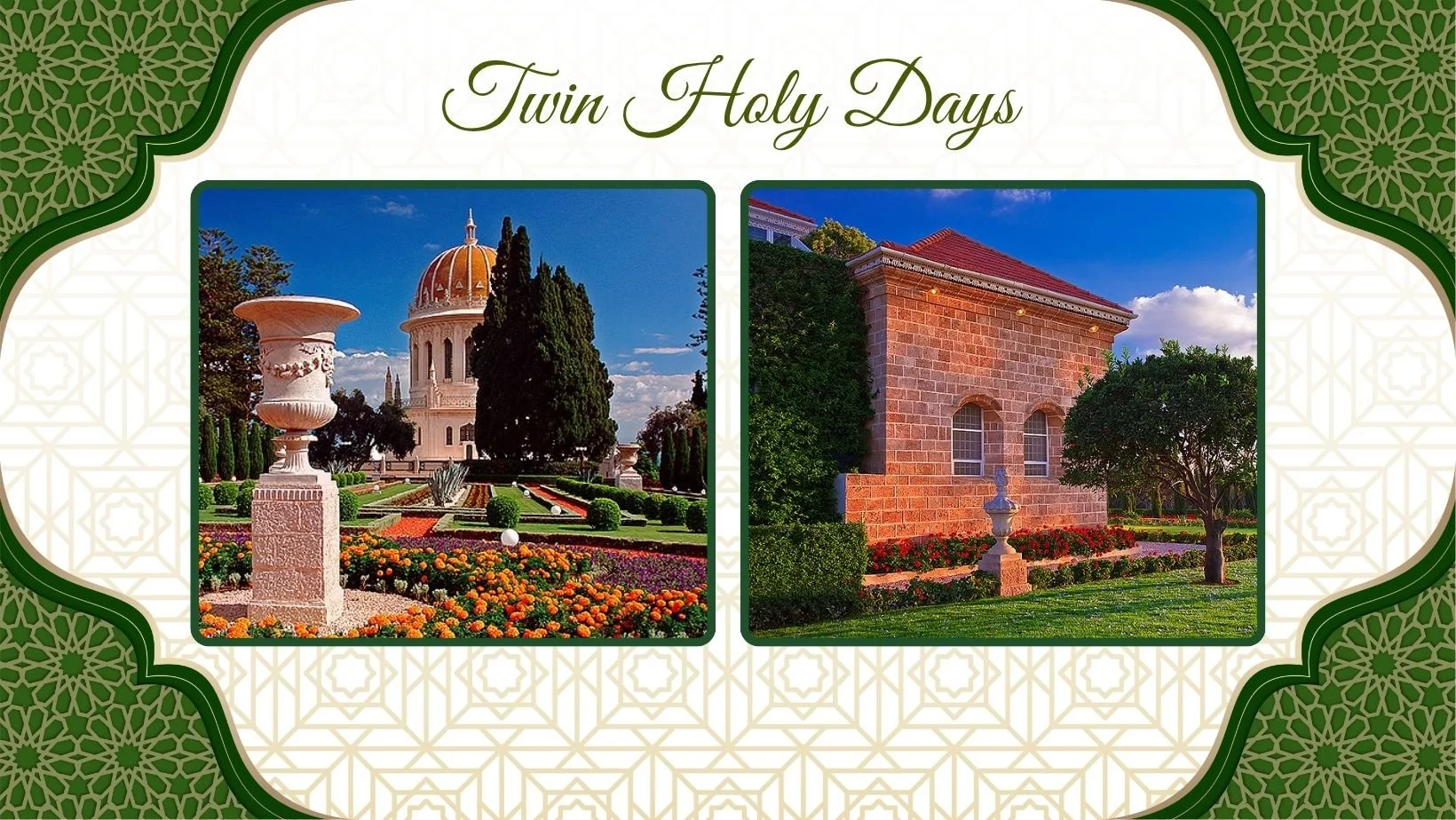
The Twin Holy Days, a time of joy and celebration
The approach of the Twin Holy Birthdays of the Báb and Bahá’u’lláh invites us to turn our hearts to joy, unity, and celebration. Falling this year from sunset Tuesday 21 October to sunset Thursday 23 October, these sacred days are moments of great joy and of deepening our understanding of the gifts bestowed upon humanity through the lives and missions of the Central Figures of our Faith.
An opportunity for community building
The celebrations of the Births of the Twin Manifestations which fall on consecutive days, can serve as points of focus that uplift not only Bahá’í households but also the families, friends, and neighbours with whom we share bonds. Groups of families and friends everywhere might consider how they can widen their circle of engagement by hosting a special celebration—perhaps through an uplifting gathering, a shared meal, or creative activities for children—that introduces more people to the spirit of joy and community building inspired by the lives of the Báb and Bahá’u’lláh. These moments of intensity, spurred on by such a special occasion can energise the rhythm of our community life and help to generate momentum.
The Guardian’s guidance on observing these Holy Days
He wishes also to stress the fact that, according to our Bahá’í laws, work is forbidden on our Nine Holy Days. Believers who have independent businesses or shops should refrain from working on these days. Those who are in government employ should, on religious grounds, make an effort to be excused from work; all believers, whoever their employers, should do likewise. If the government, or other employers, refuse to grant them these days off, they are not required to forfeit their employment, but they should make every effort to have the independent status of their Faith recognized and their right to hold their own religious Holy Days acknowledged.
— Shoghi Effendi, in Principles of Bahá’í Administration, p. 55
A message from the Universal House of Justice regarding the Birth of the Báb
“The appearance of every such Educator, as recorded in the Sacred Texts of the world’s great faiths, is a pivotal event that propels the advancement of civilization. The spiritual stimulus each has provided throughout history has enabled the radius of human cooperation to extend from the clan, to the tribe, to the city-state, and to the nation. And each of these great Teachers promised that, in time, another divine Figure would appear, Whose advent should be anticipated and Whose influence would reform the world. No wonder, then, that the coming of the Báb, Whose Birth two centuries ago we now honour, gave rise to unprecedented ferment in the country where He was born. The moment of His appearance, like the appearance of all such Figures, precipitated the release of powerful spiritual forces—but there was no accompanying spectacle. There was instead a late evening conversation, in a modest Persian dwelling, between a student of religion and his youthful Host, during which that Host revealed that He was the Promised One, the divine Educator His guest had been seeking. “Observe attentively,” He remarked, “Might not the Person intended … be none other than I?” It is this Youth, the Báb, that we acclaim as the One Whose coming—after an interval of a thousand years—shed the light of divine guidance once again upon the human world.”
— Universal House of Justice, “To all who have come to honour the Herald of a new Dawn”, October 2019
Below is a link to the film ‘Dawn of the Light’, which can deepen appreciation for the Báb’s Mission in preparation for a meaningful, contemplative observance of His Birth.
An excerpt from ‘Days of Remembrance’ on the Birth of Bahá’u’lláh
“He is the Most Holy, the Most Exalted, the Most Great.
The Birthday Festival is come, and He Who is the Beauty of God, the All-Powerful, the All-Compelling, the All-Loving, hath ascended His throne. Well is it with the one who in this Day hath attained His presence and towards whom the gaze of God, the Help in Peril, the Self-Subsisting, hath been directed. Say: We have celebrated this Festival in the Most Great Prison at a time when the kings of the earth have risen against Us. Yet the ascendancy of the oppressor can never frustrate Us, nor can the hosts of the world dismay Us. Unto this doth the All-Merciful bear witness in this most august station.
Say: Should the quintessence of assurance be dismayed before the clamour of the peoples of the world? Nay, by His beauty, which sheddeth its radiance upon all that hath been and all that shall be! This, verily, is the majesty of the Lord that hath encompassed the entire creation, and this is His transcendent power that hath pervaded all them that see and all that is seen. Take fast hold of the cord of His sovereign might and make mention of your Lord, the Unconstrained, at this dawntide whose light hath laid bare every hidden secret. Thus hath the Tongue of the Ancient of Days spoken on this Day wherein the choice wine hath been unsealed. Take heed lest the vain imaginings of them that have disbelieved in God perturb you, or their idle fancies deter you from this outstretched path.”
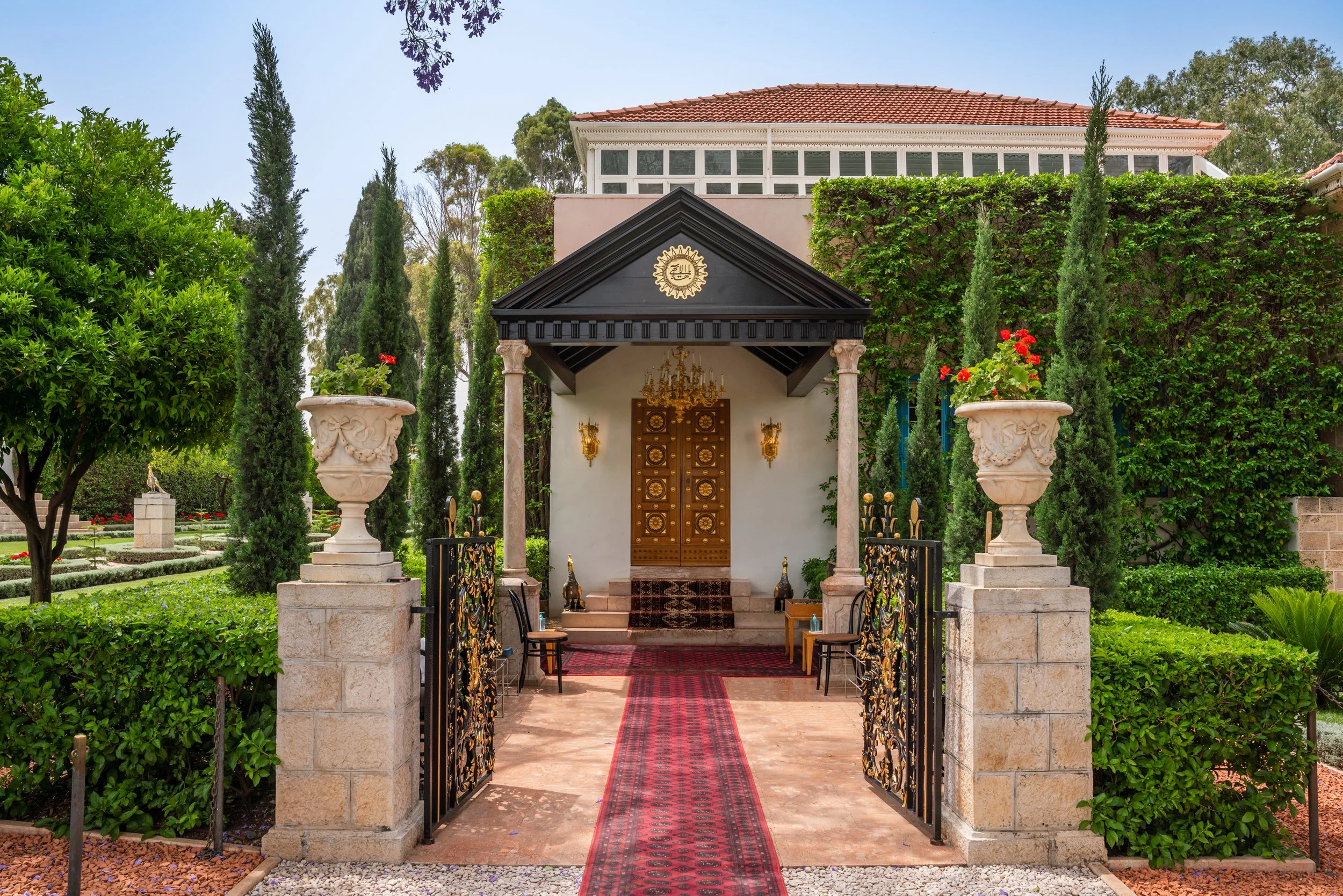
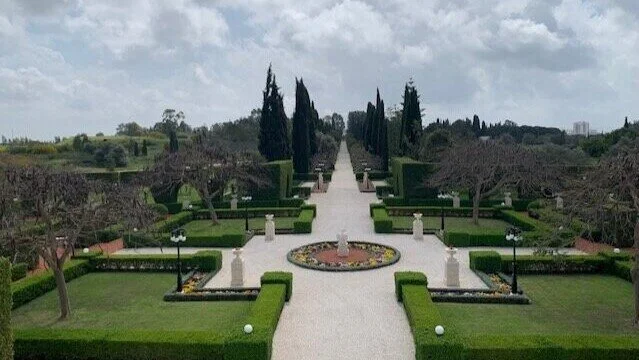
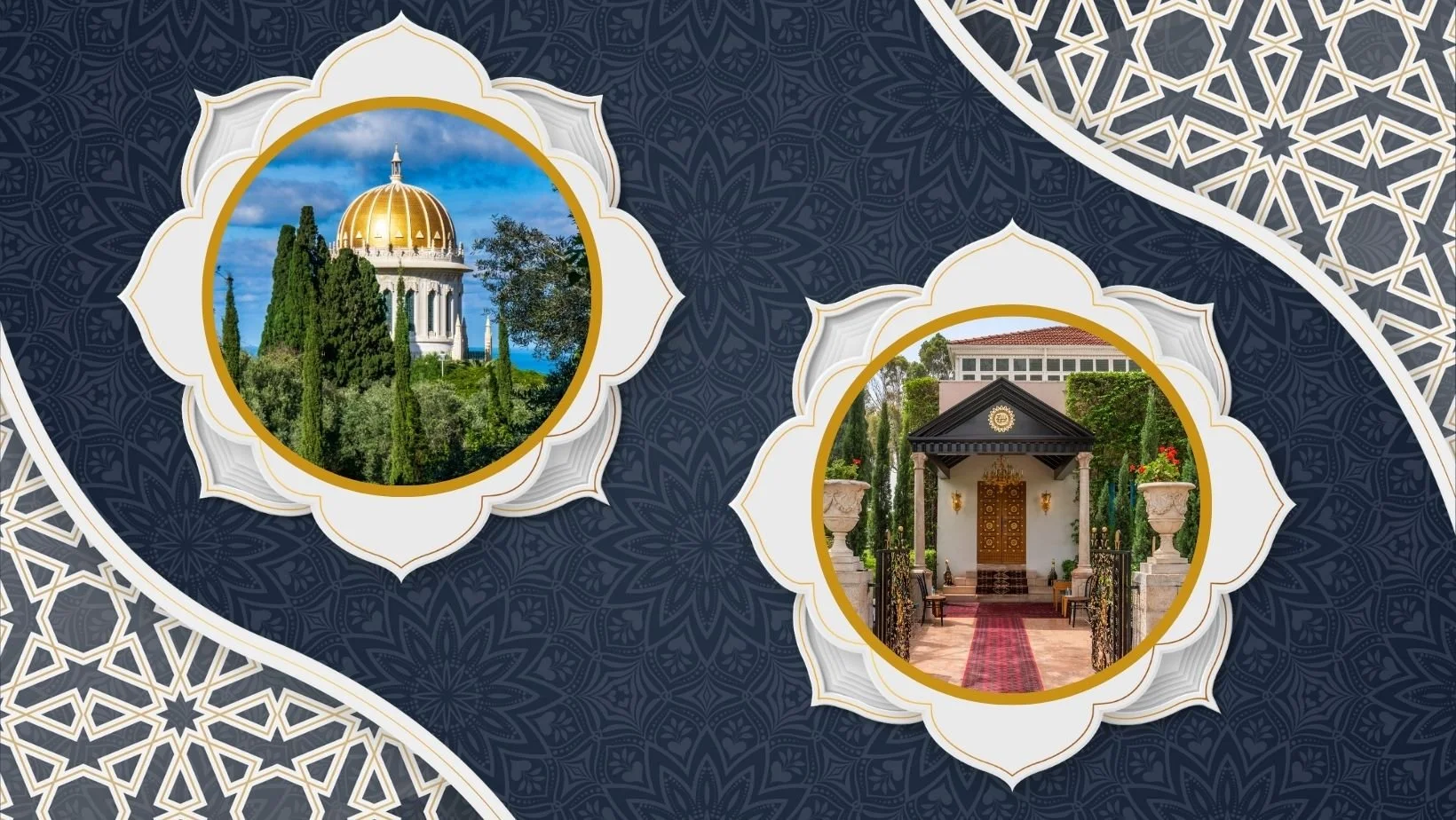
The Shrine of Bahá’u’lláh
The importance of observing Holy Days
The National Spiritual Assembly strongly encourages observance of Bahá’í Holy Days throughout the New Zealand Bahá’í community. The beloved Guardian emphasised the importance of observing these days. The Universal House of Justice has written that National Assemblies have a duty to bring this subject to the attention of the friends, "so that, as a matter of conscience, the mass of believers will uphold these laws and observe them."
It is lovingly raised for consideration by the believers to look at re-organising their lives so they can readily take the Holy Days off. This applies to employees, business owners and students.
Observing Holy Days is one of the spiritual practices of the Faith that provide upliftment to the soul and bring the community together. It is also a practice that helps to win recognition from the public, employers and government, for the independent status of the Faith. It is part of creating a Bahá’í identity for ourselves as individuals and collectively.
Bahá’í institutions and committees should not meet on Holy Days, except if necessary to deal with some emergency situation. Similarly, regular children’s classes should be suspended if they fall on a Holy Day — and instead have special activities for children as part of Holy Days celebrations.