Junior Youth Camps across Aotearoa build capacity, service and friendship
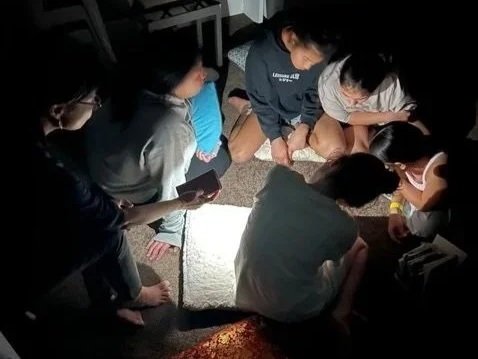
During the recent school holidays, junior youth camps held across Aotearoa demonstrated the growing capacity of communities to accompany young adolescents in processes of spiritual empowerment, service, and friendship. While each camp reflected the circumstances and possibilities of its local setting, common themes emerged: meaningful study, joyful recreation, practical service, the strengthening of relationships with families, and the development of new generations of animators.
In Hamilton, a two-day camp brought together members of a local junior youth group and their friends. The programme was planned with substantial input from the junior youth themselves and was facilitated by a team that included two neighbourhood friends serving as animators in a camp setting for the first time. Alongside study of the texts and complementary activities, participants enjoyed outings to a rehabilitated quarry/sculpture park, a museum site in Matamata and some local hot springs. The camp generated a sense of joy, whanaungatanga, and collective purpose.
An encouraging outcome was the involvement of parents and family members, who assisted with transport and logistics. Their participation provided an opportunity to witness first-hand the influence of the programme on the young people. Several expressed a desire to learn more about the educational process and to contribute more actively in the future, leading to plans for a follow-up gathering focused on understanding the programme and supporting its continued development.
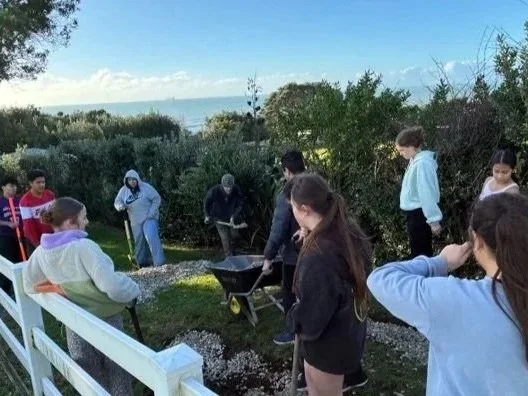
In another small community, a youth who had previously participated in the junior youth spiritual empowerment programme and continued through the main sequence of courses took the initiative to start a junior youth group with neighbours. During the holidays, the group organised its own day camp, studying lessons together, exploring themes of service, sharing meals, and enjoying time at the beach. The experience strengthened friendships and demonstrated how a young person who has benefited from the programme can, in turn, arise to serve others.
Meanwhile, in New Plymouth, nine junior youth gathered for a three-day residential camp supported by animators from Wellington. Through their study of “On Health and Well-Being”, participants reflected on the human body as a metaphor for community life, considering how diverse capacities and talents contribute to collective flourishing. Their learning was reinforced through games, arts activities, drama, and a service project undertaken with a local organisation that distributes free kai.
The camp concluded with a gathering of whānau, where participants shared what they had learned through music, reflection, and conversation. The event highlighted the important role that families play in encouraging and sustaining the spiritual and intellectual development of young people.
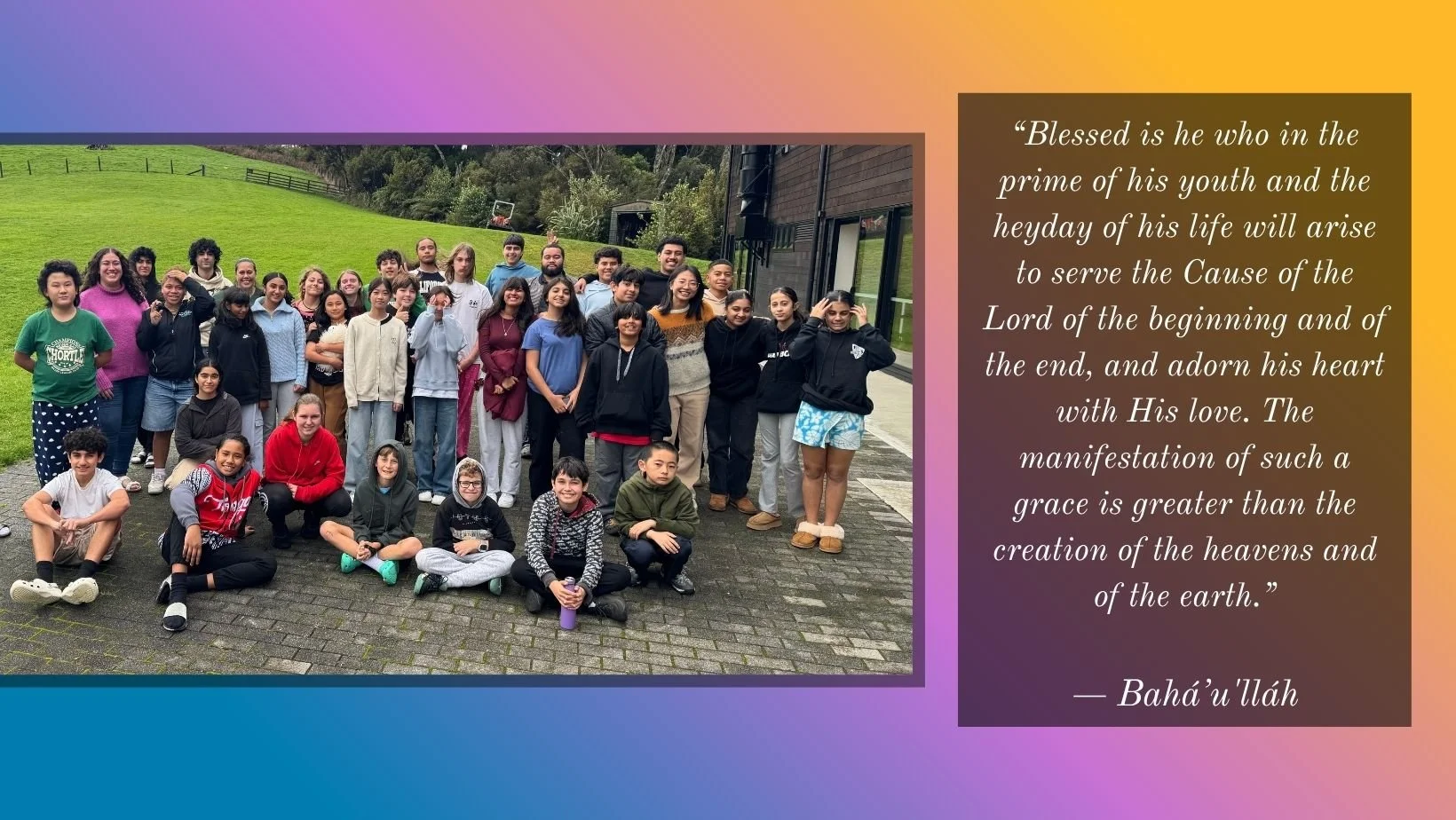
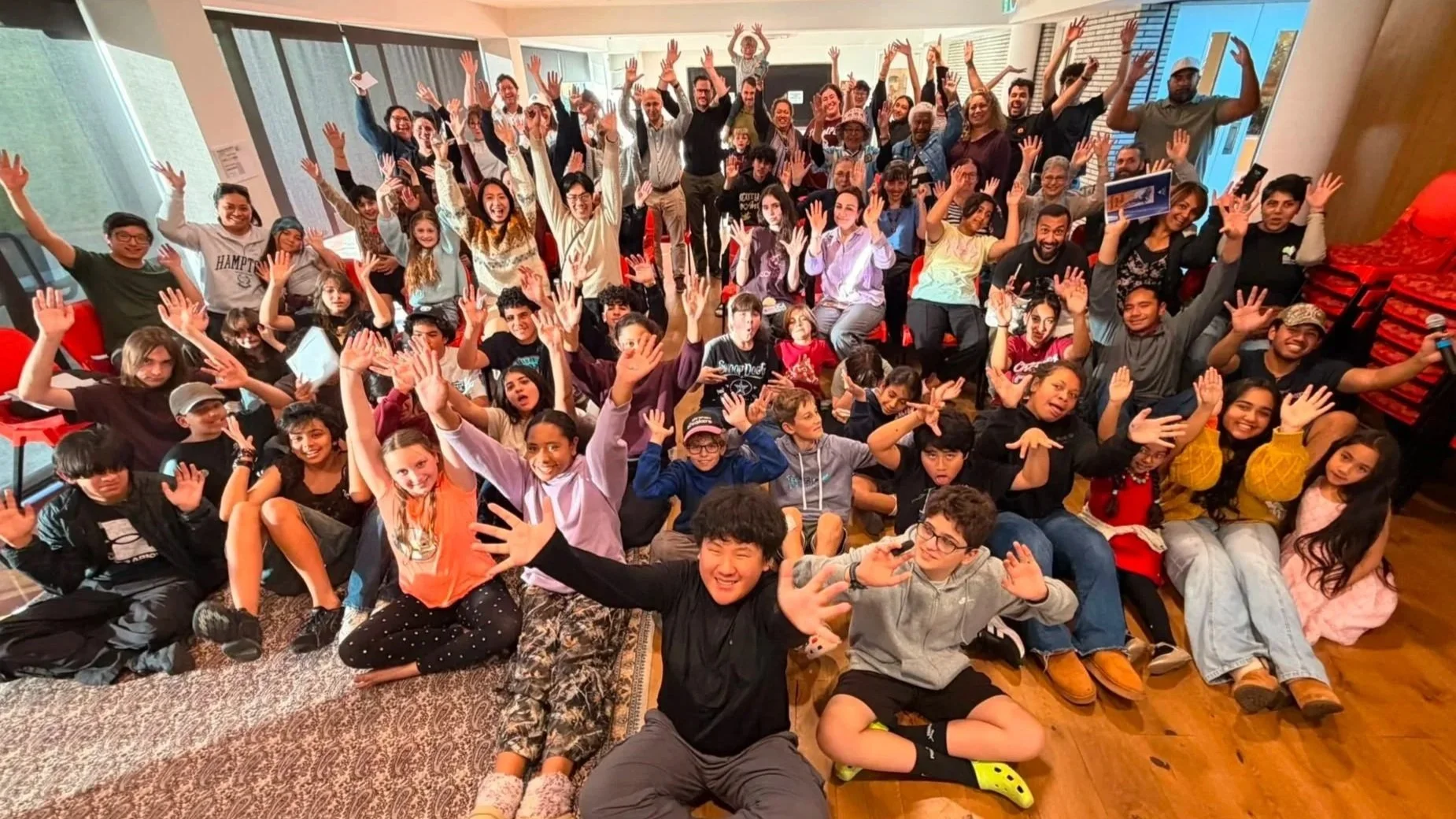
Particularly noteworthy were two large camps held in Auckland, one at the Bahá’í Centre in Manurewa and another at the Bahá’í Centre for Learning (Te Whare Akoranga Bahá’í). Both were extended to three days, allowing participants to progress more deeply through their chosen texts while still enjoying recreation, service, and community-building activities.
A significant learning emerging from the Auckland experience was the effectiveness of aligning junior youth camps with institute training camps. A substantial number of youth were able to complete the study of Ruhi Book 5 during the first week of the holidays and then immediately apply their learning by serving as animators at the camps that followed. The overlap between secondary school holidays and the semester break for tertiary students created ideal conditions for this process. Rather than waiting months for an opportunity to serve, newly trained animators were able to gain direct experience while being accompanied by more experienced friends.
Taken together, these camps illustrate a pattern of growth in which junior youth, youth, families, and communities are increasingly learning to walk a path of service together. Whether in small neighbourhood initiatives or larger regional gatherings, the camps strengthened friendship, expanded capacity, and offered many glimpses of the transformative potential of the junior youth spiritual empowerment programme.