Hope Begins in Winter: Reflections on Matariki and Spiritual Renewal
One of the most beautiful aspects of Matariki is that the New Year begins during the darkest part of the year. Rather than waiting for the warmth and abundance of spring, hope is proclaimed in the depths of winter. At a time when the nights are longest and the landscape appears still, Matariki invites us to look forward with confidence and renewed purpose.
This idea resonates deeply with the teachings of the Bahá'í Faith. Throughout the Bahá'í writings, spiritual renewal is often associated with periods of greatest need. The Manifestations of God, those Divine Educators who have guided humanity throughout history, appear when societies are facing profound challenges and require fresh spiritual guidance. Their message brings new life, new possibilities, and renewed hope.
Matariki reminds us of a similar truth: new beginnings do not wait until conditions are perfect. Hope does not arrive only after every difficulty has passed. Rather, hope often appears while the nights are still longest.
This is a powerful metaphor for both personal and collective renewal. Around the world today, many people are confronted by uncertainty and rapid change. Yet alongside these challenges we see countless acts of kindness, service, and courage. Communities continue to care for one another, young people continue to work for a better future, and individuals everywhere strive to contribute positively to society. In such a context, the hopeful spirit of Matariki feels more relevant than ever. It reminds us that the seeds of a brighter future are often planted during times when they are needed most.
Another important theme of Matariki is reflection. The season provides an opportunity to remember loved ones who have passed away since the last rising of Matariki, to give thanks for the blessings of the present, and to look forward to the year ahead with renewed purpose. While remembrance is an important part of the season, Matariki also invites us to reflect on the lessons of the past year and consider how those lessons can guide our future.
The Bahá'í teachings place similar importance on reflection. Far from being passive remembrance, reflection is a dynamic process that prepares us for wiser action. It allows us to examine our experiences, identify lessons learned, and gain clarity about the next steps we should take.
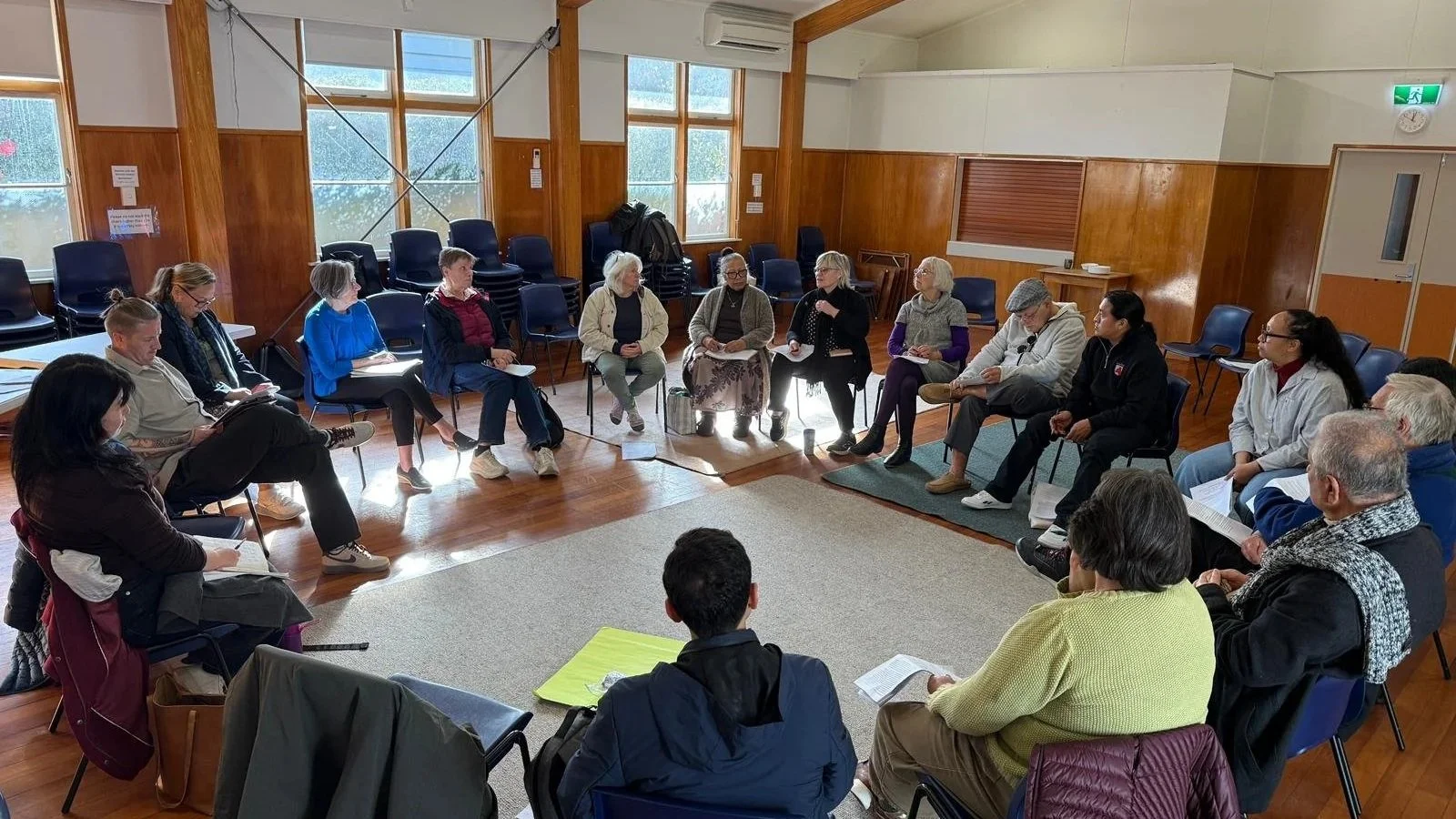
This understanding is reflected in many aspects of Bahá'í community life. Individuals and communities engage in ongoing cycles of action, reflection, consultation, and study. Experiences are thoughtfully reviewed, insights are shared, and new approaches are developed. In this way, reflection becomes an essential part of learning and growth. It helps transform experience into wisdom and aspiration into practical effort.
Matariki also offers an opportunity to think about how human beings learn. In many Māori contexts, the season is far more than a celebration. It is a time of observation, story, practice, and understanding. People look to the natural world, observe seasonal patterns, and draw lessons from them. Learning emerges through attentive engagement with the environment and through the knowledge passed down from one generation to the next.
The Bahá'í teachings similarly view learning as an active process. Spiritual growth is not achieved simply by acquiring information. It involves studying divine guidance, applying it in daily life, and reflecting on the results. Understanding deepens through practice.
Viewed in this light, Matariki can be seen as a kind of seasonal curriculum, one that encourages people to learn from the natural world and from the wisdom embedded in cultural traditions. The Bahá'í teachings offer a complementary form of spiritual education, inviting us to learn from divine revelation and to apply spiritual principles in the service of humanity. Both approaches recognise that true learning is not merely something we know. It is something we do.
The arrival of Matariki each year therefore offers more than a moment of celebration. It invites us to pause, reflect, learn, and renew our sense of purpose. It reminds us that hope can emerge even in the darkest season, that reflection prepares the way for meaningful action, and that growth comes through continually learning from both our experiences and the guidance available to us.
As the Matariki stars rise once again, they offer a gentle but powerful reminder: every new beginning starts somewhere. Often, it begins in darkness.