The Báb's Martyrdom: From Tabríz to Mount Carmel
Each year, Bahá'ís around the world commemorate the Martyrdom of the Báb, one of the nine Holy Days of the Bahá'í Faith, in which work and school should be suspended. This year, the Holy Day falls from sunset on Thursday 9 July to sunset on Friday 10 July 2026. Bahá'ís gather at noon - the time of his martyrdom - to pay tribute to the life and sacrifice of the Báb. The Báb’s life and mission prepared the way for the coming of Bahá'u'lláh, and this is a period for reflecting on the profound spiritual significance of His ministry.
“ “Not until I have said to him all those things that I wish to say can any earthly power silence Me. Though all the world be armed against Me, yet shall it be powerless to deter Me from fulfilling, to the last word, My intention.””
““Had you believed in Me every one of you would have followed the example of this youth, who stood in rank above most of you, and would have willingly sacrificed himself in My path. The day will come when you will have recognized Me; that day I shall have ceased to be with you.””
The story of the Báb's martyrdom is among the most moving events in religious history. Yet the events that followed His execution are equally remarkable. In God Passes By, Shoghi Effendi recounts that following His execution in Tabríz, extraordinary events were reported to have occurred. A gale of exceptional violence swept across the city, obscuring the sun for hours. In the years that followed, a series of calamities befell many of those directly associated with the execution, including members of the firing squad and the chief instigators of the Báb's death. Shoghi effendi also recounts how immediately after the execution, devoted followers risked their lives to recover and protect the sacred remains of the Báb and His devoted companion, Anís, preserving them through decades of danger until they could finally be laid to rest on Mount Carmel in the Holy Land.
Shoghi Effendi writes:
“On the evening of the very day of the Báb’s execution, which fell on the ninth of July 1850 (28th of Sha‘bán 1266 A.H.), during the thirty-first year of His age and the seventh of His ministry, the mangled bodies were transferred from the courtyard of the barracks to the edge of the moat outside the gate of the city. Four companies, each consisting of ten sentinels, were ordered to keep watch in turn over them. On the following morning the Russian Consul in Tabríz visited the spot, and ordered the artist who had accompanied him to make a drawing of the remains as they lay beside the moat. In the middle of the following night a follower of the Báb, Ḥájí Sulaymán Khán, succeeded, through the instrumentality of a certain Ḥájí Alláh-Yár, in removing the bodies to the silk factory owned by one of the believers of Mílán, and laid them, the next day, in a specially made wooden casket, which he later transferred to a place of safety. Meanwhile the mullás were boastfully proclaiming from the pulpits that, whereas the holy body of the Immaculate Imám would be preserved from beasts of prey and from all creeping things, this man’s body had been devoured by wild animals. No sooner had the news of the transfer of the remains of the Báb and of His fellow-sufferer been communicated to Bahá’u’lláh than He ordered that same Sulaymán Khán to bring them to Ṭihrán, where they were taken to the Imám-Zádih-Ḥasan, from whence they were removed to different places, until the time when, in pursuance of ‘Abdu’l‑Bahá’s instructions, they were transferred to the Holy Land, and were permanently and ceremoniously laid to rest by Him in a specially erected mausoleum on the slopes of Mt. Carmel.
Thus ended a life which posterity will recognize as standing at the confluence of two universal prophetic cycles, the Adamic Cycle stretching back as far as the first dawnings of the world’s recorded religious history and the Bahá’í Cycle destined to propel itself across the unborn reaches of time for a period of no less than five thousand centuries. The apotheosis in which such a life attained its consummation marks, as already observed, the culmination of the most heroic phase of the Heroic Age of the Bahá’í Dispensation. It can, moreover, be regarded in no other light except as the most dramatic, the most tragic event transpiring within the entire range of the first Bahá’í century. Indeed it can be rightly acclaimed as unparalleled in the annals of the lives of all the Founders of the world’s existing religious systems.”
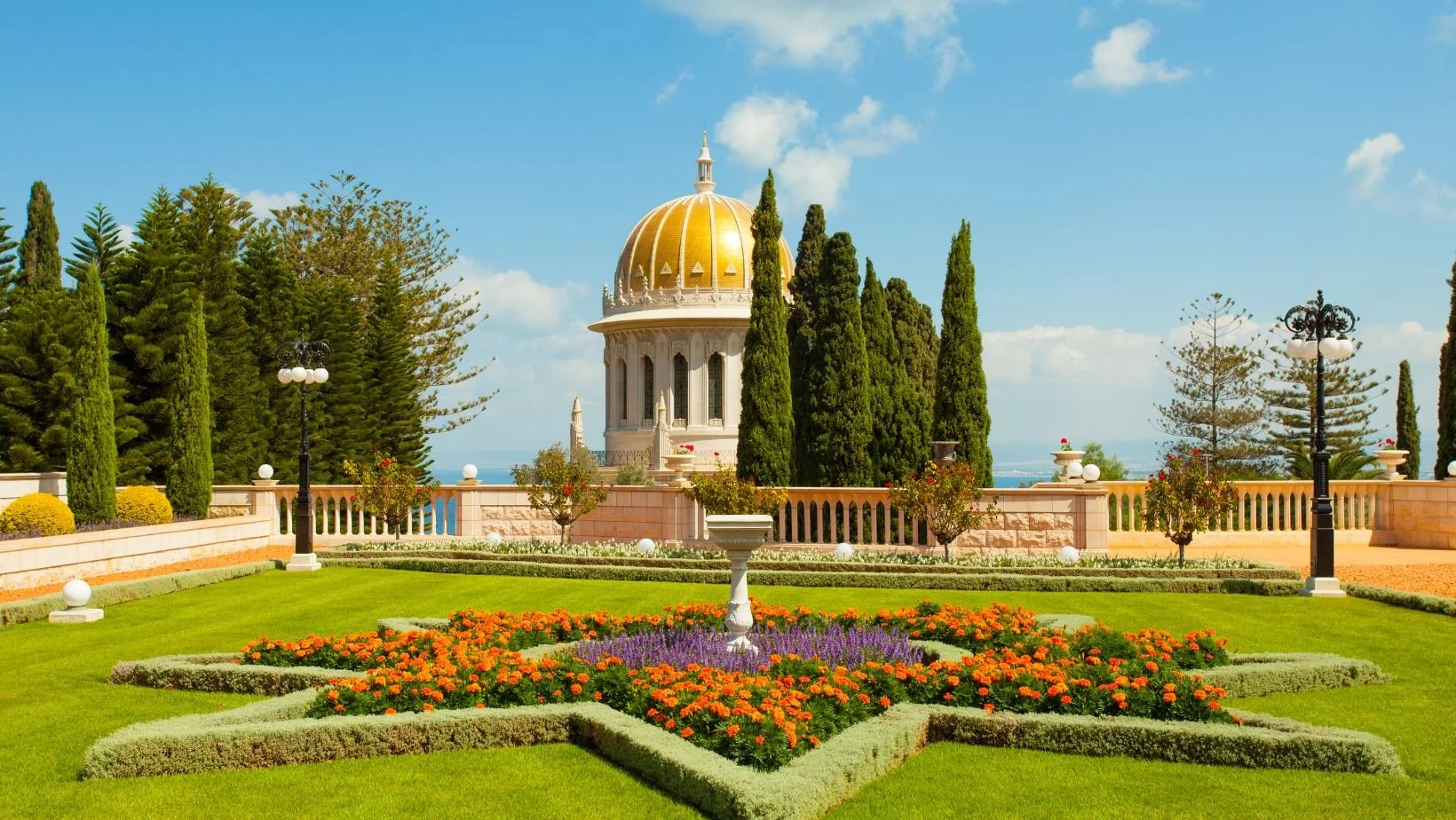
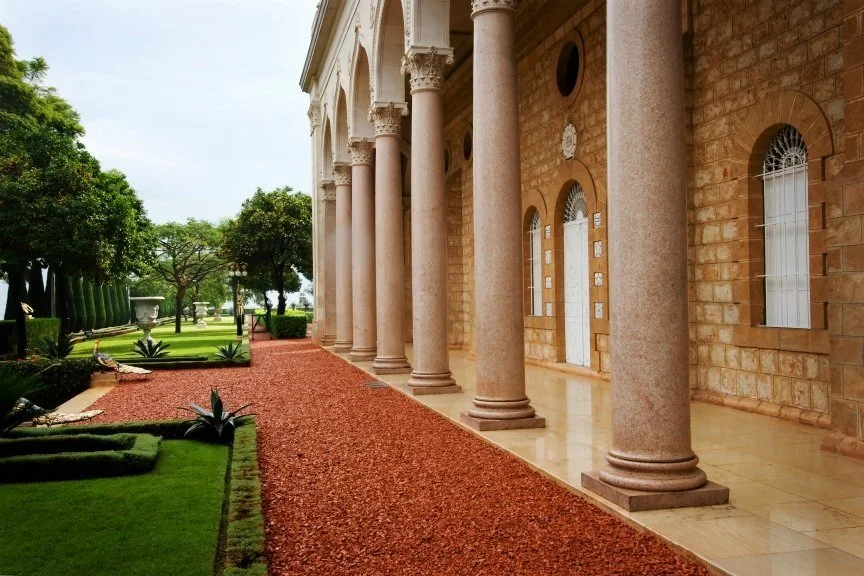
The Shrine of the Báb, where His remains are ‘permanently and ceremoniously laid to rest on the slopes of Mt. Carmel.’
“… Ages rolled away, until they attained their consummation in this, the Lord of days, the Day whereon the Day-Star of the Bayán manifested itself above the horizon of mercy, the Day in which the Beauty of the All-Glorious shone forth in the exalted person of ‘Alí-Muḥammad, the Báb. No sooner did He reveal Himself, than all the people rose up against Him. By some He was denounced as one that hath uttered slanders against God, the Almighty, the Ancient of Days. Others regarded Him as a man smitten with madness, an allegation which I, Myself, have heard from the lips of one of the divines. Still others disputed His claim to be the Mouthpiece of God, and stigmatized Him as one who had stolen and used as his the words of the Almighty, who had perverted their meaning, and mingled them with his own. The Eye of Grandeur weepeth sore for the things which their mouths have uttered, while they continue to rejoice upon their seats.
“God”, said He, “is My witness, O people! I am come to you with a Revelation from the Lord, your God, the Lord of your fathers of old. Look not, O people, at the things ye possess. Look rather at the things God hath sent down unto you. This, surely, will be better for you than the whole of creation, could ye but perceive it. Repeat the gaze, O people, and consider the testimony of God and His proof which are in your possession, and compare them unto the Revelation sent down unto you in this Day, that the truth, the infallible truth, may be indubitably manifested unto you. Follow not, O people, the steps of the Evil One; follow ye the Faith of the All-Merciful, and be ye of them that truly believe. What would it profit man, if he were to fail to recognize the Revelation of God? Nothing whatever. To this Mine own Self, the Omnipotent, the Omniscient, the All-Wise, will testify…”
- Bahá’u’lláh, (Days of Remembrance, Martyrdom of The Báb)
We note that in Aotearoa this year, the Matariki public holiday also falls on Friday 10 July. This confluence will no doubt engender a special feeling of connection between the shining star that was the blessed Báb and the stars of the Matariki (Pleiades) star cluster, particularly Matariki: The mother star, signifying reflection, hope, and the health of the people; and Pōhutukawa: the star that connects to those who have passed away; the star of remembrance.
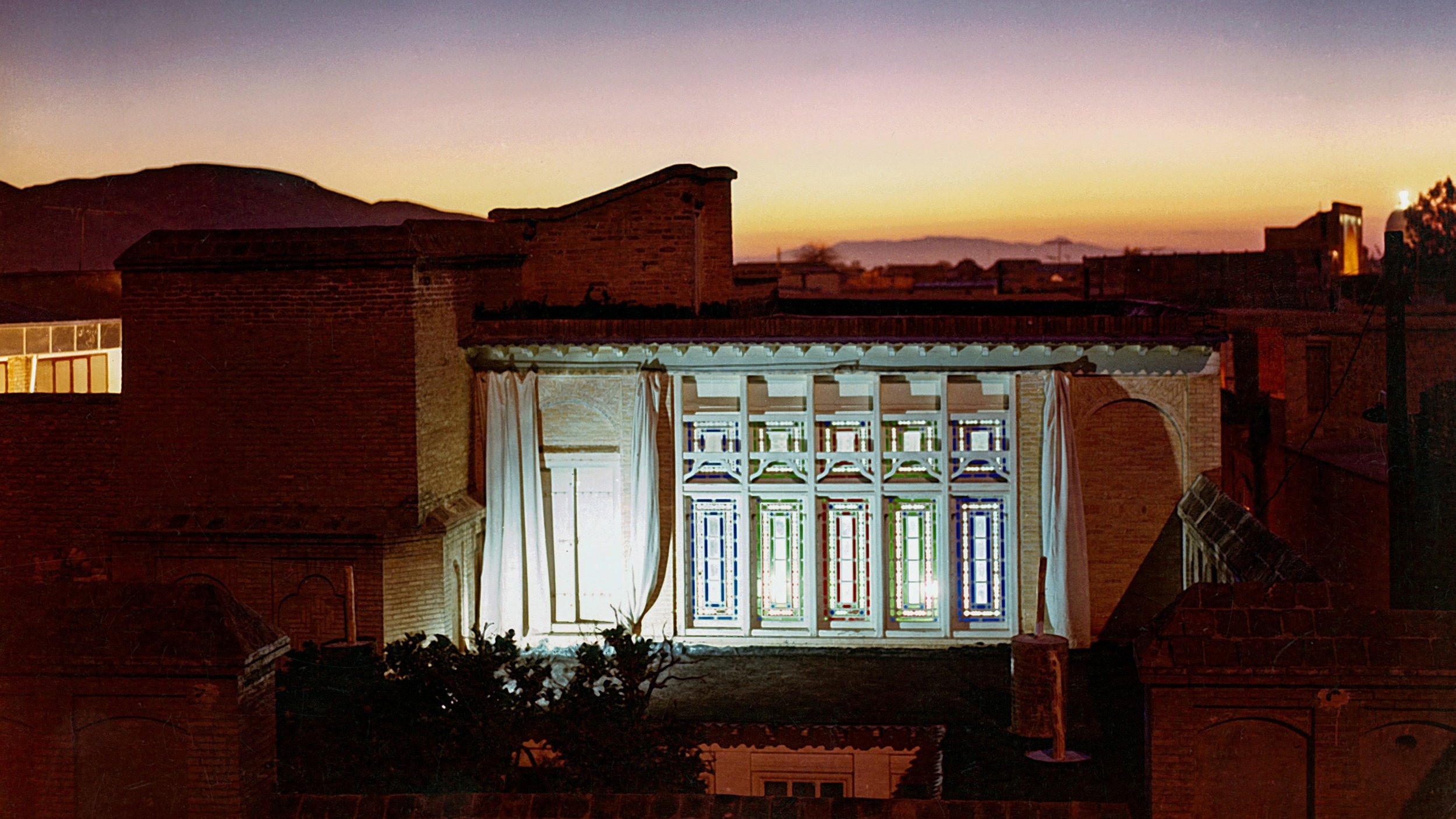
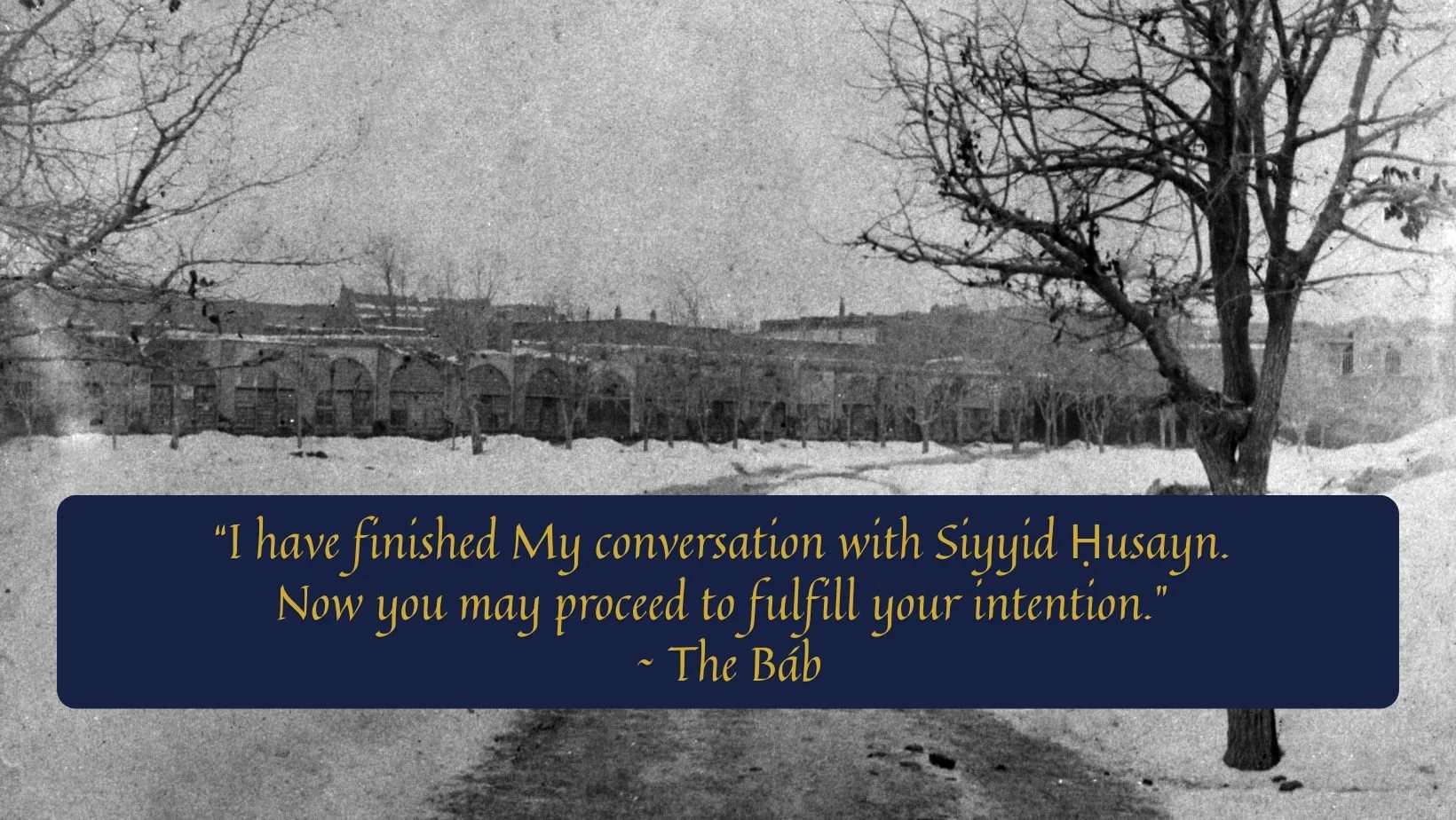
Feature photo: Distance view of the Barracks Square in Tabríz where the Báb was martyred. Photos taken in the dead of winter of a later year. Source - Bahá'í Media Bank.