‘The leaven to change the world’: House of Justice member gives reminder of purpose
Originally published by the Australian Bahá’í community in its national online publication, Horizons, in July 2026, this article shares highlights from an address delivered by Dr Payman Mohajer, a member of the Universal House of Justice, during his visit to the Sydney Bahá’í community in June 2026. His remarks explore the far-reaching purpose of the Bahá’í community-building process and invite every individual to find their place in contributing to the spiritual and social transformation of society. We are pleased to share this article in full, with acknowledgement to Horizons, the national newsletter of the Australian Bahá’í community.
The Baha’i community of Australia has been reminded of the overarching vision that stands before it to contribute to the advancement of society.
In June, a member of the international governing body of the Baha’i Faith, the Universal House of Justice, Dr Payman Mohajer, visited the Sydney Bahá’í community, delivering a heartwarming address to more than 1000 individuals.
His address focused on the importance of the community-building efforts unfolding in neighbourhoods across Australia. Not simply mere activities, he emphasised that such efforts were transformative endeavours that presented solutions to the issues society was grappling with.
Such issues, he mentioned, related to classism, mental health, loneliness, and youth disengagement. With divisive forces being everyone’s challenge, Dr Mohajer said it was just as pressing to work towards the release of the society-building powers of the Faith. The solutions, he said, came about from large numbers engaging with society, consulting, discussing challenges, and disseminating learning.
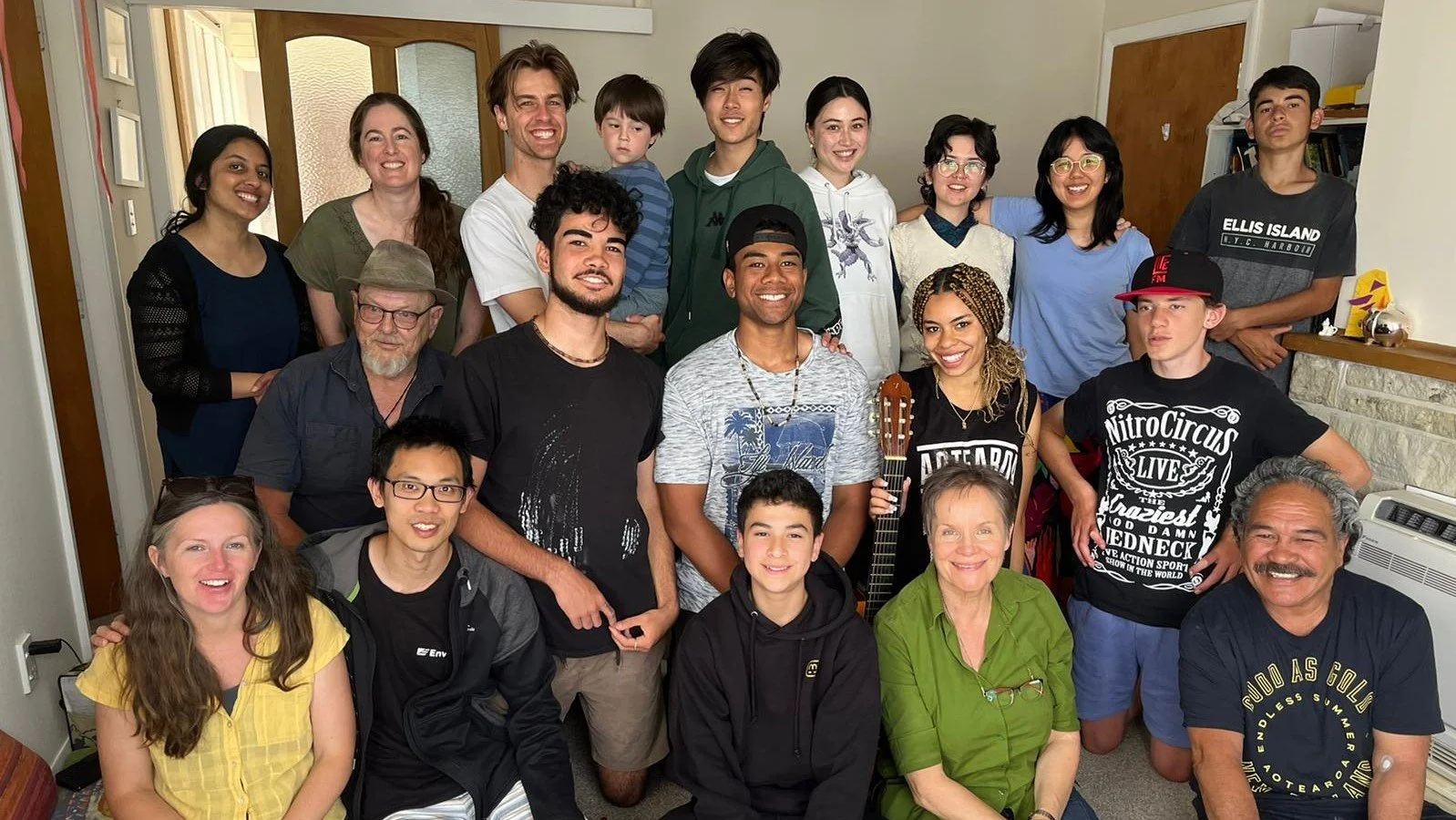
Dr Mohajer said the mission of the Bahá’í Faith could not be achieved by Bahá’ís alone but required the participation of everyone. He said the creation of community required the welcoming of everyone, where nobody was treated as a stranger and where everyone could carve out a path of service.
He also touched on how Bahá’í communities have grown since the inception of the Faith. At the time of Baha’u’llah, the community was eager to grasp His Words as they were revealed. His Son, ‘Abdu’l-Bahá, helped communities implement those words and build communities. After His passing, ‘Abdu’l-Bahá’s grandson, Shoghi Effendi, laid the foundation for an administrative order and the spread of the Faith around the world.
At every stage, however, Dr Mohajer said the Bahá’í community was never a “closed community”. It was always “supposed to be the leaven that would change the world” and “influence those around us”.
He said over the past 30 years, the Bahá’í community has developed “instruments, approaches, and methods” needed to contribute to the advancement of communities everywhere.
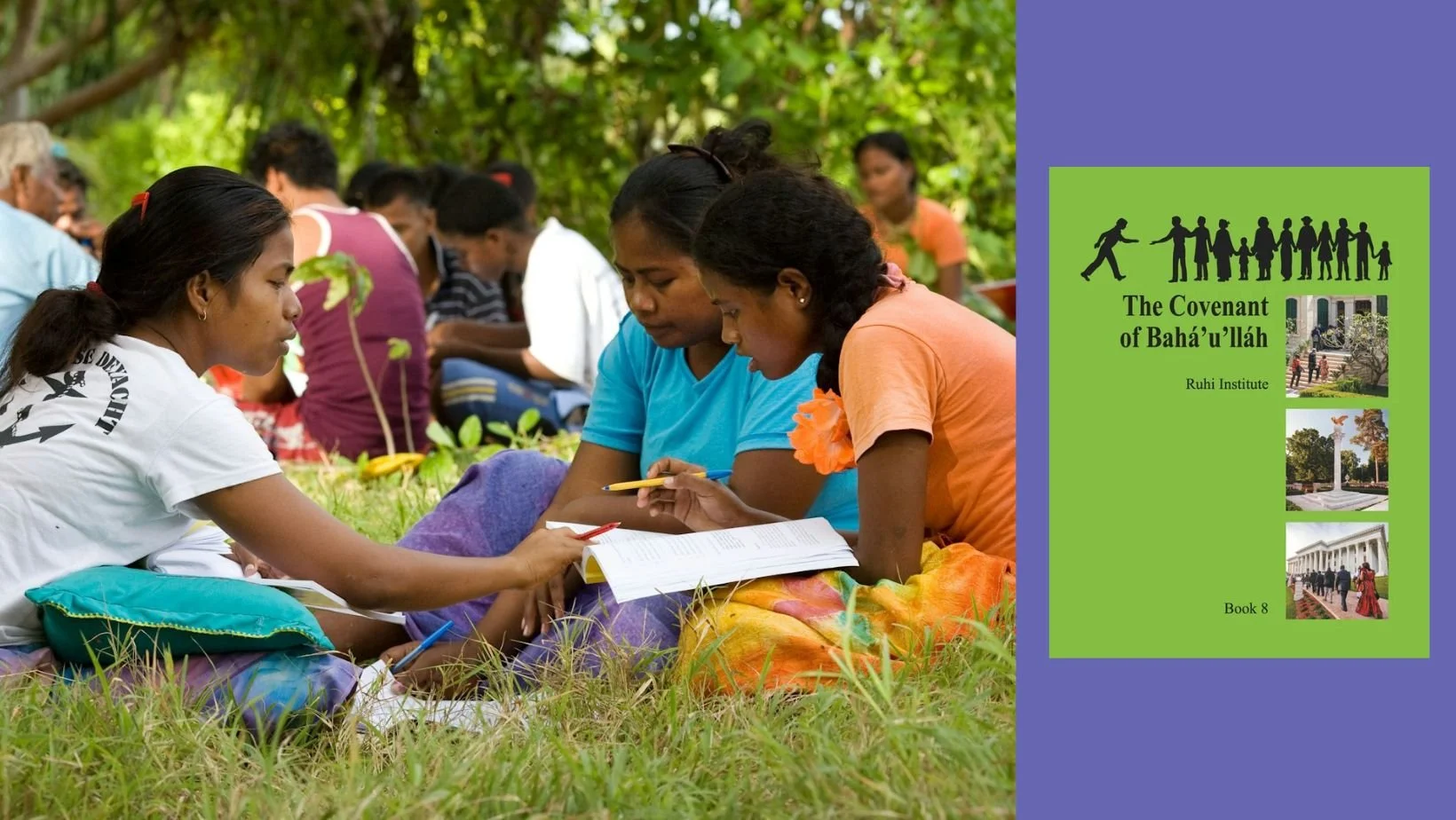
In his address, he spoke about the Training Institute as the key driver of the global community-building process. He reflected on when the Training Institute was first introduced and how its real role and impact was still unknown.
Now, the Institute stands as the “heart of our plans,” he said, where capacity is raised, where entire populations can be empowered, where people of all backgrounds are contributing to change and where individuals can “decide for themselves” how to act.
“It allows freedom but we remain united.”
Dr Mohajer spoke about how so many individuals were joining in the field of community-building, inspired by the Writings, consultative process and courses of the Training Institute. He said they were finding it a means of contributing to the advancement of society and realising a vision of unity and oneness.
Where in the past individuals might wait to be asked to engage in certain community-building activities, now “almost any service” is impactful and anyone can serve, no matter where they are.
“What privilege is greater than this?”
Dr Mohajer called on everyone to find their own area of service, to create a culture of connection and inclusivity while still maintaining balance; to seek their own social spaces at school, work, and in their neighbourhood; to uplift conversations, infuse these spaces with thoughts and ideas that promote unity and build consensus.
“Look for and create opportunities,” he said. “We are at different stages. If you are asleep, it’s a good time to wake up. If you’re awake, it’s a good time to get out of your bed. If you are standing, it’s time to walk. If you are walking, it’s time to run.
“Ask what opportunities are open to you, what you can do.”
He said we can start with opening up our homes for devotional gatherings, becoming engaged in the Institute Process, starting children’s classes and junior youth groups, and then learning to hold someone else’s hand as they facilitate their own community processes.
He said global conversations about the future of the world, drawing on Bahá’í writings and rooted in experience, allows for collective progress to be made.
“Who would want to be out of this process? Who would want to be deprived of the privilege of being part of this conversation, of learning how to do this, taking advantage of the experience being gained?”
“We are all in this community-building process.”
Credit: Horizons