Supporting growth through material means
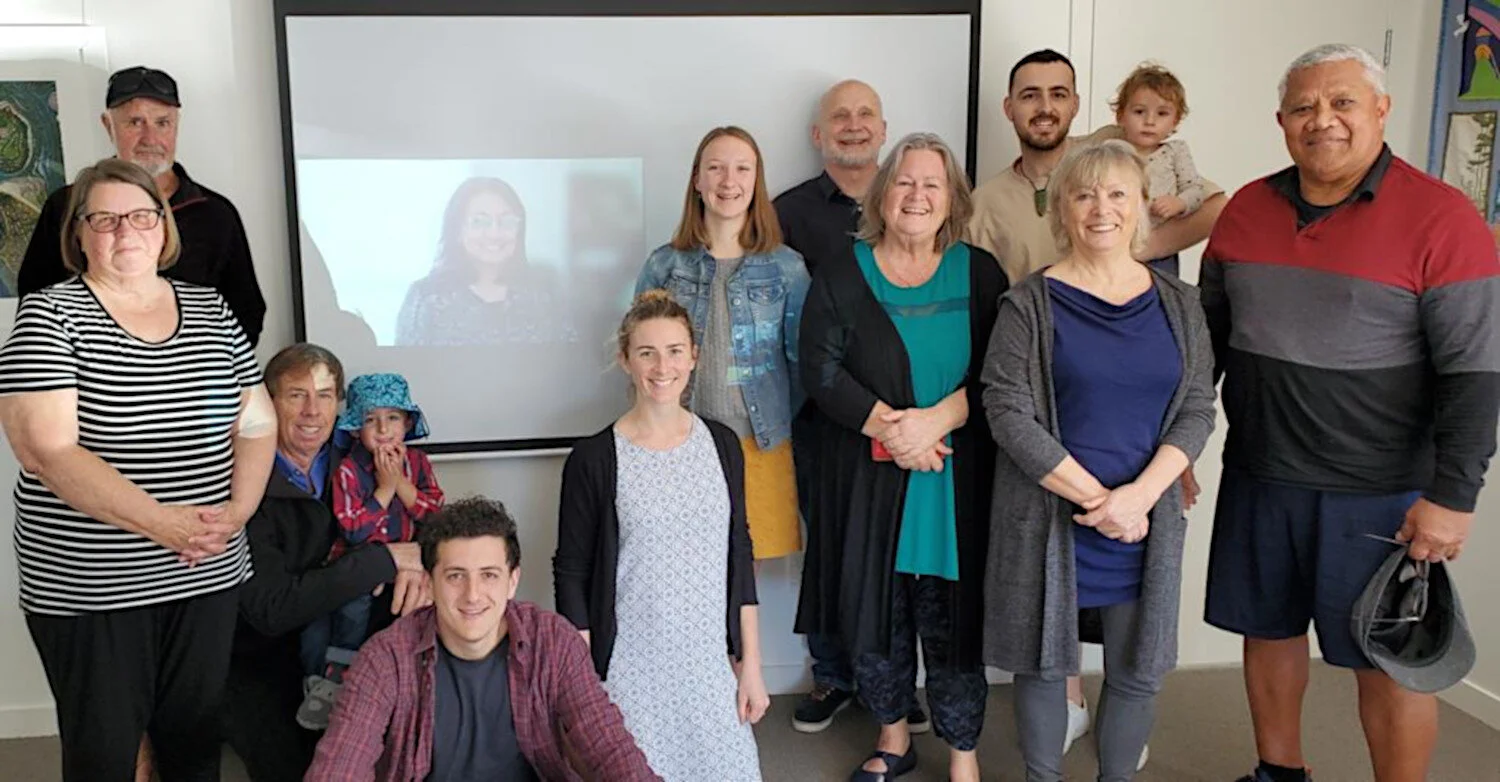
At a recent gathering of Local Spiritual Assemblies, two communities shared thoughtful and inspiring experiences about how they are approaching the question of material means in support of the growth of the Faith. Although their circumstances are very different, both stories demonstrate how consultation, initiative, and a spirit of stewardship can help align material resources with the needs of the Nine Year Plan.
There are many ways communities can learn to support the growth process, not only through their time, energy and acts of service, but also through the wise use of material resources.
Thames-Coromandel: A property in service to the Faith
For many years, the Thames-Coromandel Bahá’í community owned a property, that had been gifted by a devout believer in Thames that had served as a Bahá’í centre and, at one point, as an office for a member of the Continental Board of Counsellors. The property carried with it a rich history and many cherished memories for the friends who had contributed to its upkeep over the decades.
As the community evolved, however, the Local Spiritual Assembly found itself reflecting on an important question: was continuing to own and maintain the property still the best way to support the work of the Faith?
The building required significant maintenance and ongoing expenditure. Leasing arrangements had become increasingly difficult, and practical challenges such as flooding concerns, parking limitations, and insurance costs made its long-term sustainability uncertain. At the same time, the Assembly was studying guidance related to property development and consulting extensively with the National Spiritual Assembly, the National Property Committee, the North Island Regional Bahá’í Council, and members of the local community.
Through this process of study and consultation, the Assembly came to recognise that the needs of their community, then at an early stage of development, did not require a dedicated Bahá’í property. Furthermore, the local pioneer families who formed the nucleus of the community-building process already had stable accommodation, meaning there was no immediate local housing need that the Assembly's resources might address.
This led to a deeper question: could the resources entrusted to the community be used in a way that would contribute more directly to the advancement of the Nine Year Plan elsewhere?
In consultation with national institutions, the Assembly explored the possibility of investing in residential property in one of Aotearoa's more advanced neighbourhoods, where securing stable accommodation for families serving the growth process had become increasingly challenging. The result was the purchase of a home in South Auckland that now provides long-term stability for a pioneer family serving in a focus neighbourhood.
The friends involved described the journey as a significant learning process. It required sustained consultation, careful consideration of guidance, and a willingness to think beyond the immediate needs of their own locality. In doing so, they found a way to preserve the community's investment while simultaneously supporting the development of another community striving to advance through the milestones of growth.
Note: the consultation process included the donors of the original property gifted to the community who gave their blessing to the proposal; and the ownership of the house in South Auckland remains with the Thames-Coromandel Assembly.
Waipā: Growing a culture of participation
The Waipā Bahá’í community has taken a different but equally inspiring approach, developing a number of ongoing fundraising initiatives that help resource community-building activities and strengthen a culture of collective ownership.
What began as a question about whether the community could increasingly support its own activities gradually evolved into a coordinated effort involving the Assembly, a fundraising task force, families, junior youth, and individual believers. Over time, several initiatives have emerged that now contribute regularly to community activities and the Fund.
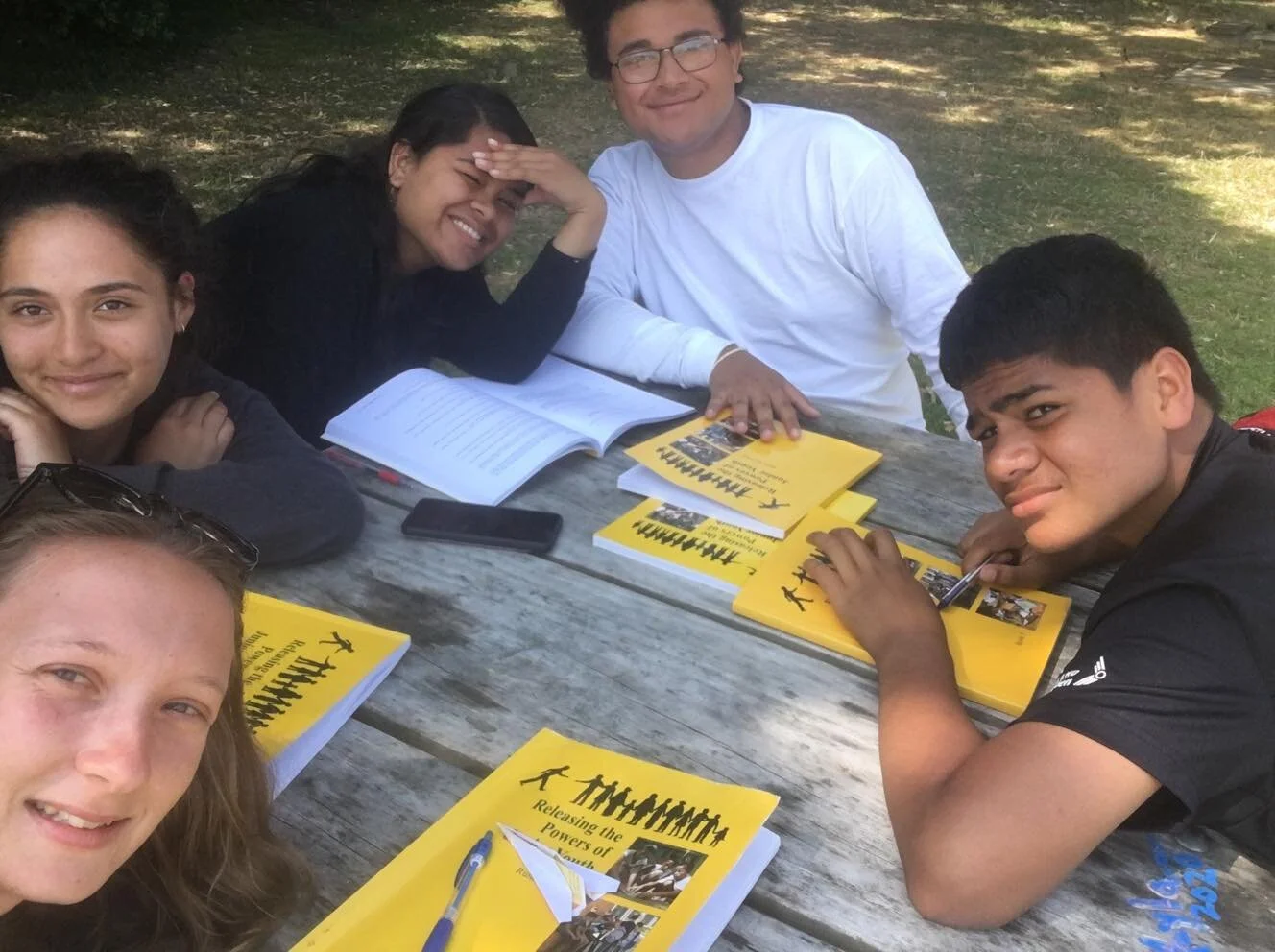
One initiative centres on the local Junior Youth Spiritual Empowerment Programme. Junior youth have taken increasing responsibility for organising and running regular sausage sizzles, learning practical skills such as planning, budgeting, teamwork, and public engagement. The activity raises funds for their endeavours, which of course involve those who are not members of the Bahá’í community, but also provides opportunities for meaningful conversations with members of the wider community.
Other initiatives have arisen through the creativity of families and individuals. One family operates a kettle corn stall at local markets and dedicates the proceeds to community purposes, while another believer raises funds through the sale of donated Bahá’í books and home-grown vegetable seedlings. Together, these efforts are expected to generate a few thousand dollars each year for activities that strengthen and support community service. The community reflects that fundraising has become an expression of shared responsibility, collective learning, and a growing consciousness that material means, when offered in a spirit of service, can play a meaningful role in advancing the work of the Nine Year Plan.
These initiatives now generate a significant annual contribution to support community-building efforts. They have helped strengthen a sense of shared ownership and responsibility amongst the friends, who now view fundraising as an expression of a community learning to sustain and advance its own development.
The stories shared in this article were provided by the North Island Bahá’í Council and have been adapted for publication in Bahá’í Aotearoa.