Every generation has a part to play
When we think about the energy and movement of the Nine Year Plan, our minds may naturally turn to families with children or to junior youth and youth, the rising generations who are increasingly at the forefront of efforts to build vibrant communities and contribute to the transformation of society. However, the work of the Plan belongs to all of us, and we each have a unique capacity to play a part, and older friends, grandparents and those who have reached retirement are finding many different ways to contribute, sometimes by travelling or offering a period of service further afield, but just as importantly through the countless acts of service that strengthen community life in one’s own cluster.
Shared below are some examples of friends taking opportunities to be of service both close to home and further afield, to lend their share to creating a sense of oneness with others.
The gift of presence
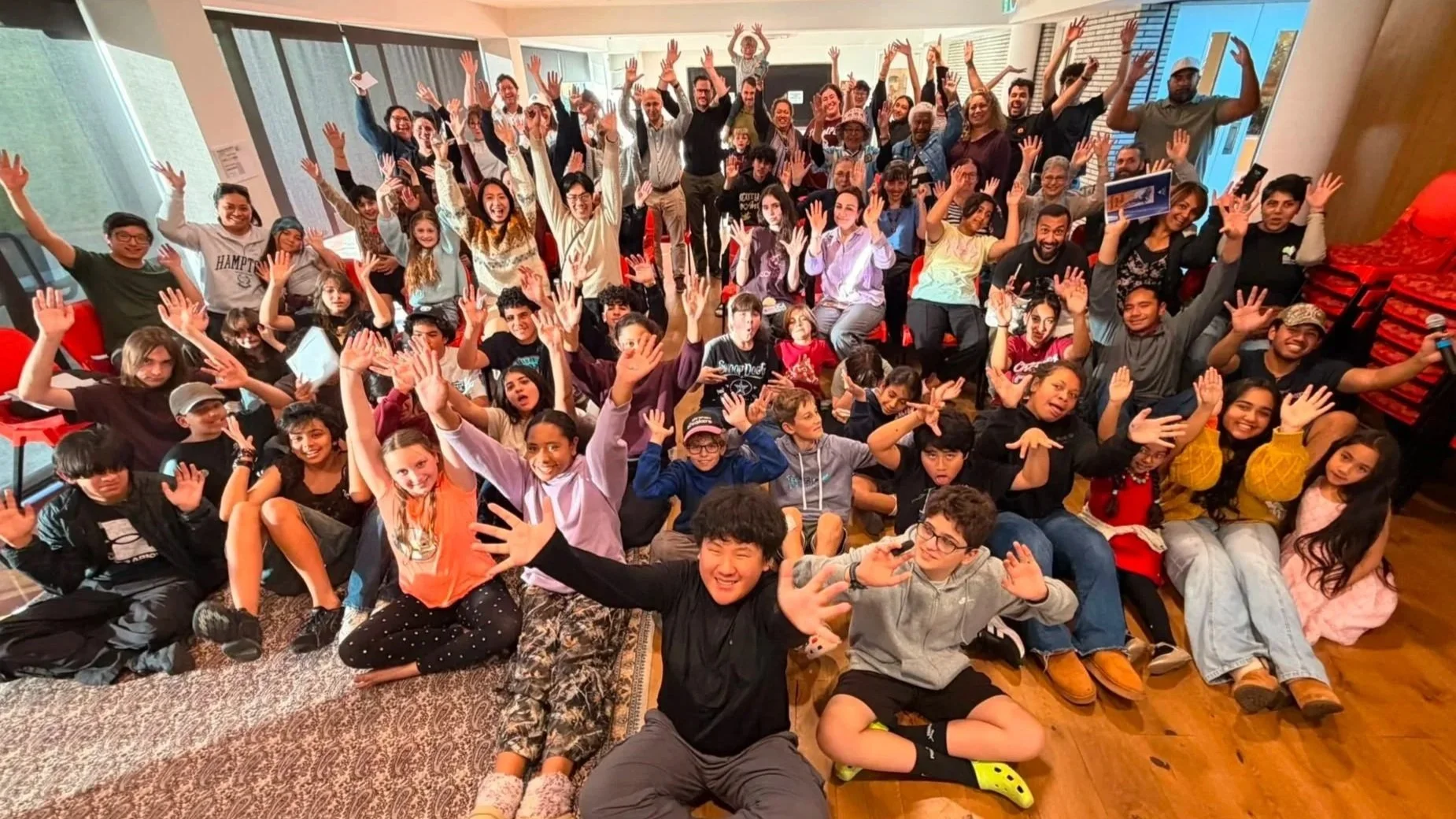
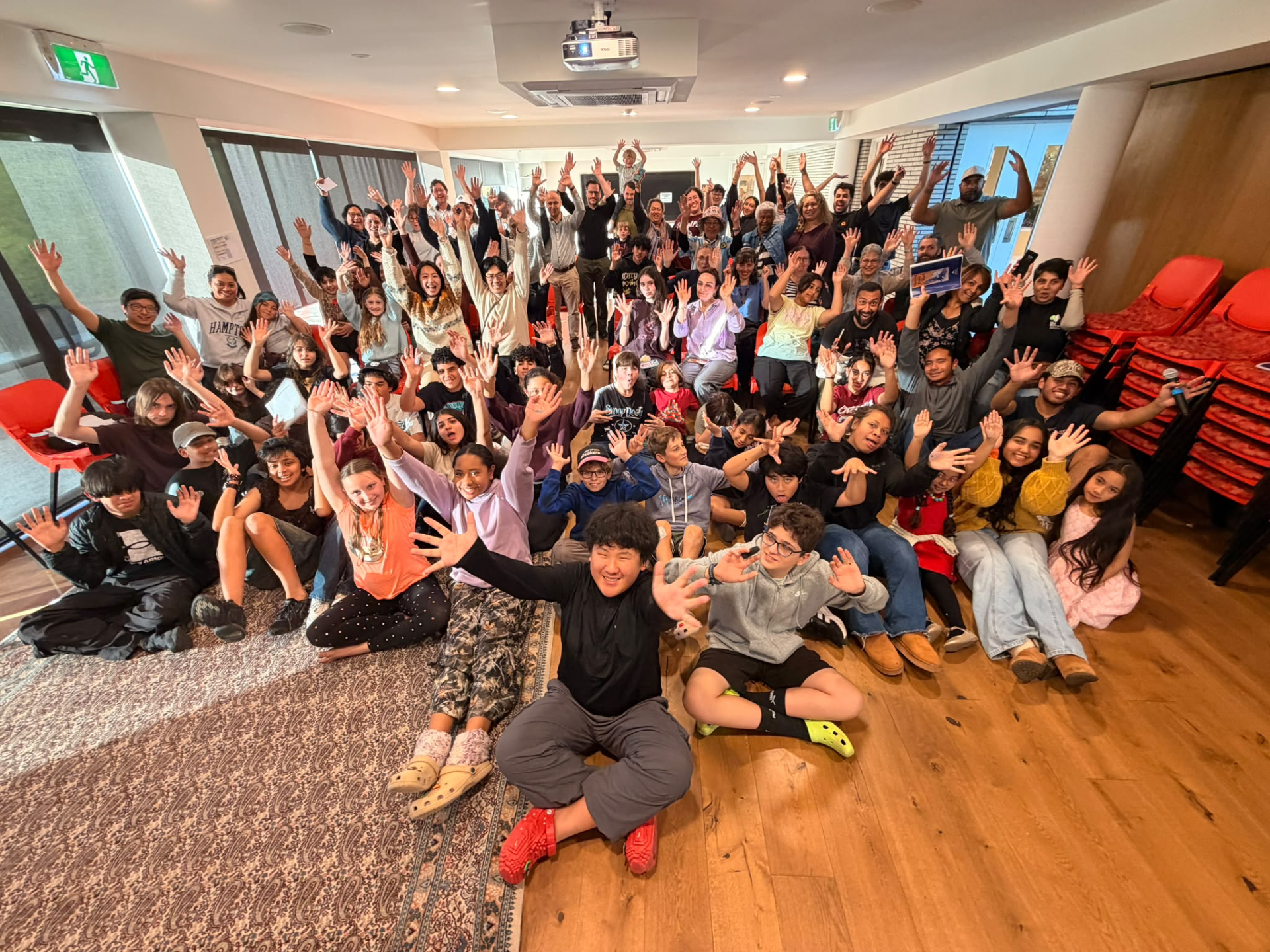
During a recent junior youth camp at Te Whare Akoranga, grandparents and older friends were among those who came forward to help. Their tasks were largely practical, supporting in the kitchen and helping in the dormitories at night, while the younger animators brought their own enthusiasm, creativity and energy to the programme.
Organisers and parents noticed the presence of the elders seemed to contribute to the atmosphere of the camp itself. The junior youth appeared particularly engaged, and there was a sense of attentiveness, respect and order that those present felt was strengthened by having different generations together. It was, in some ways, like a family. The grandparents that attended, were able to offer a reassuring presence, alongside the vibrancy of the younger animators, and they helped create a warm intergenerational environment in which each generation brought something different.
It is a simple example, but perhaps an important one. There are many ways to serve the younger generations, and not all of them require us to be teachers, animators or coordinators. Sometimes preparing food, helping behind the scenes, offering encouragement, sharing experience, or simply being there can help create the conditions in which others flourish and feel supported.
“Senior youth” on the move
Paul Vessey, a member of the Hurunui community, affectionately describes older friends as “senior youth”, and his own recent experiences have caused him to reflect on the opportunities this stage of life can bring.
Paul spent three months in Brno in the Czech Republic last year, undertaking a period of short-term international pioneering, and using his own resources to do so. More recently, he spent three months in Kerikeri caring for the Bahá’í Centre there. Reflecting on these experiences, he observed that older people “may or may not have the money, but quite often have the TIME.” Moving temporarily into another community gave him opportunities to meet new friends, reconnect with old ones, learn how another community was approaching its work, and share experiences from his own. Even the simple act of travelling opened conversations about the Faith: people wanted to know where he was going, where he had been, and, importantly, why?
His experience also raises some interesting possibilities. Could there be more opportunities for Bahá’ís to house-sit for one another while offering service in another community? Might retired friends sometimes be available to care for Bahá’í centres, support a neighbouring cluster for a period, or simply spend time somewhere as an extra pair of willing hands, and an encouraging heart?
Finding opportunities to serve along the way
Lian and Owen Smith from Thames-Coromandel community have also found that sailing their yacht to other countries in the Pacific can bring unexpected opportunities for service and connection. During time spent in Fiji, they have become involved with local Bahá’í communities and educational activities, building friendships and finding simple, practical ways to contribute wherever they have been.
For Lian and Owen, these experiences have been as much about forming relationships and learning from the communities they visit as they have been about what they themselves can offer. Their travels are another example of how, when circumstances allow, having greater flexibility at this stage of life can create opportunities to serve, encourage others and participate in the life of a community, even while far from home.
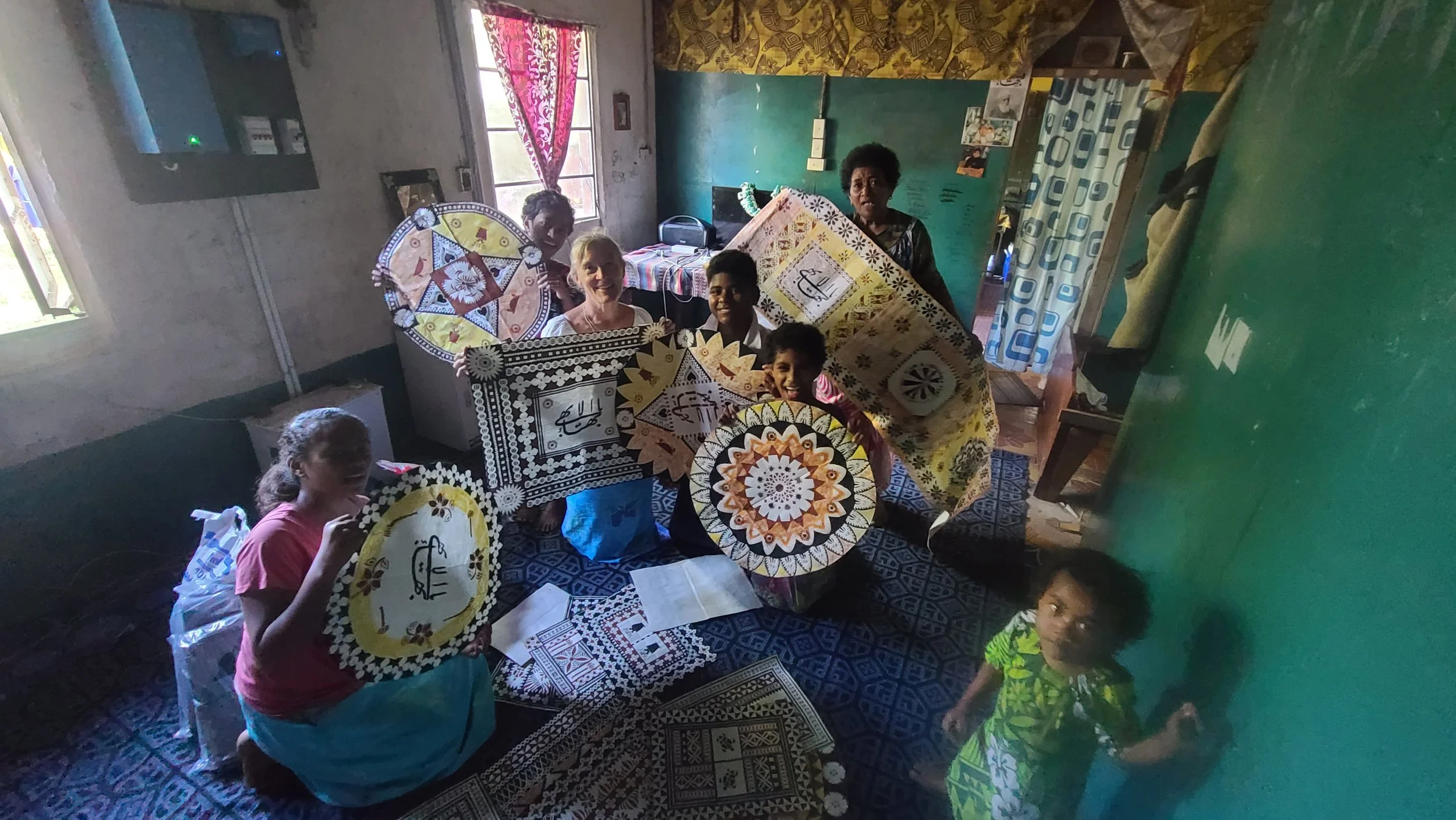
Lian with children and friends displaying tapa gifts from Moce
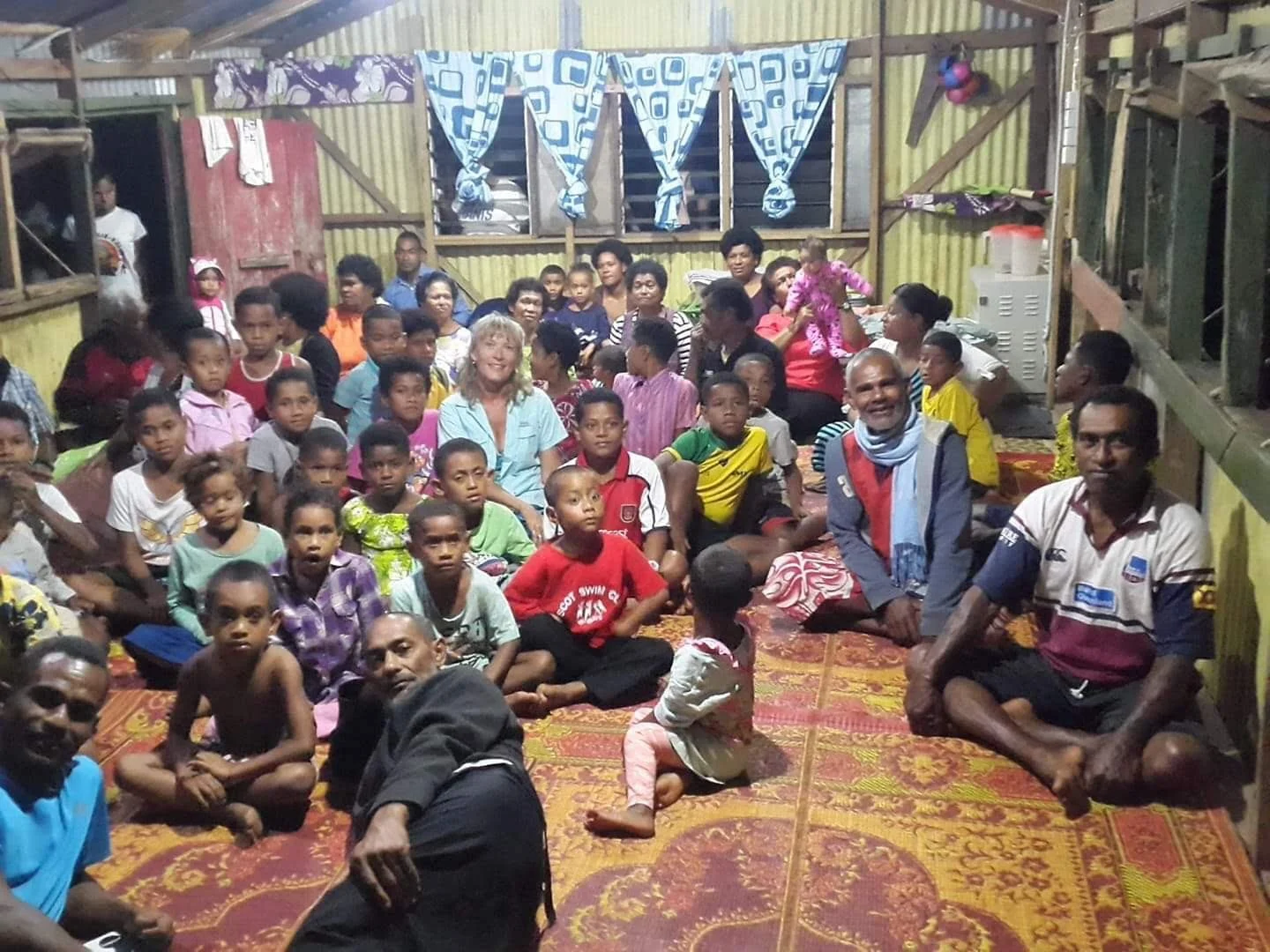
With members of the Korotolu Bahá’í community in Fiji.
Perhaps one of the gifts of this period of the Plan is the opportunity to think more expansively about what each of us has to offer. In a Plan that seeks to draw upon the capacities of more and more people, one thing is certain, every generation is needed, and every generation has a part to play.
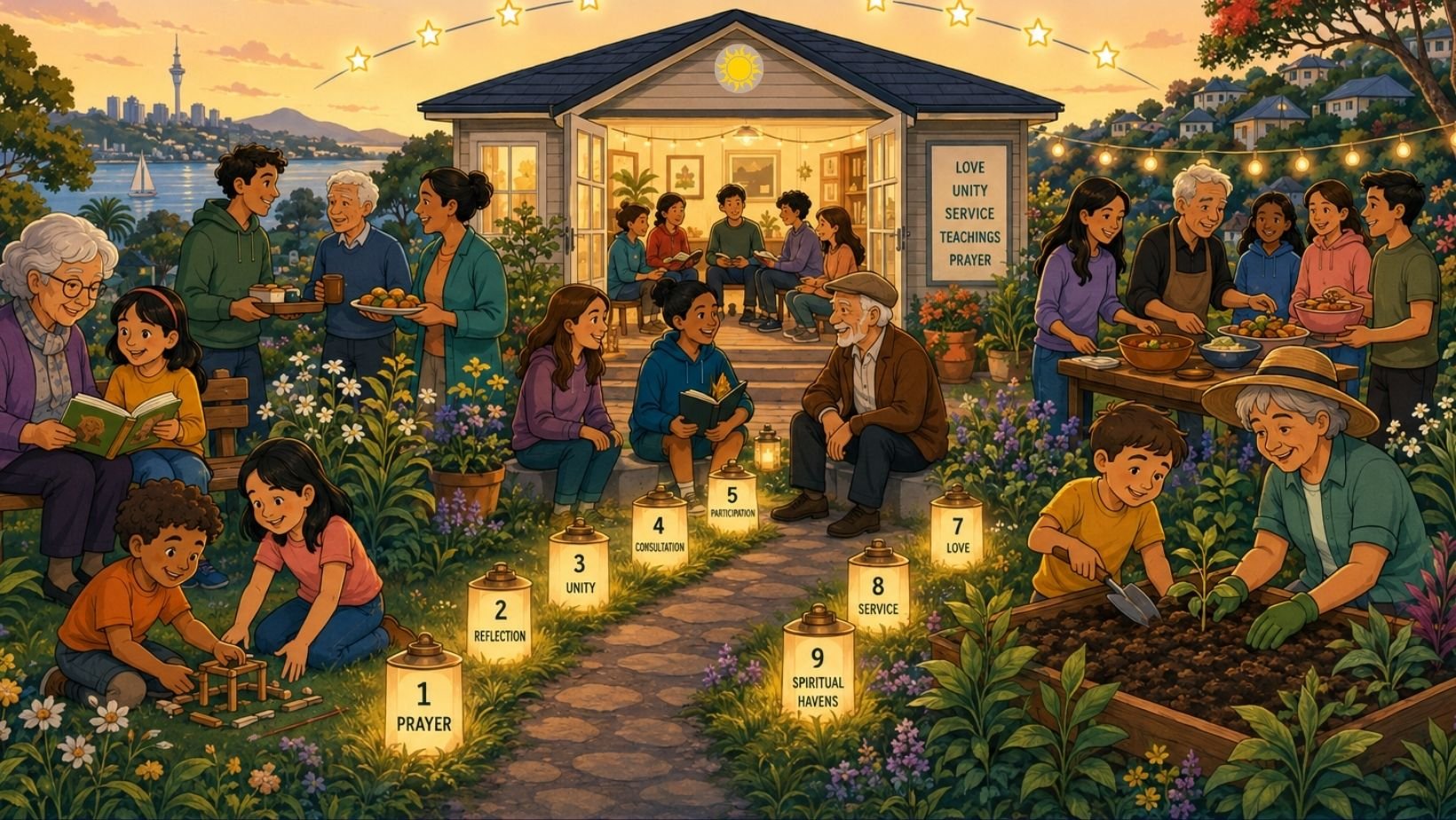
Feature image: AI generated